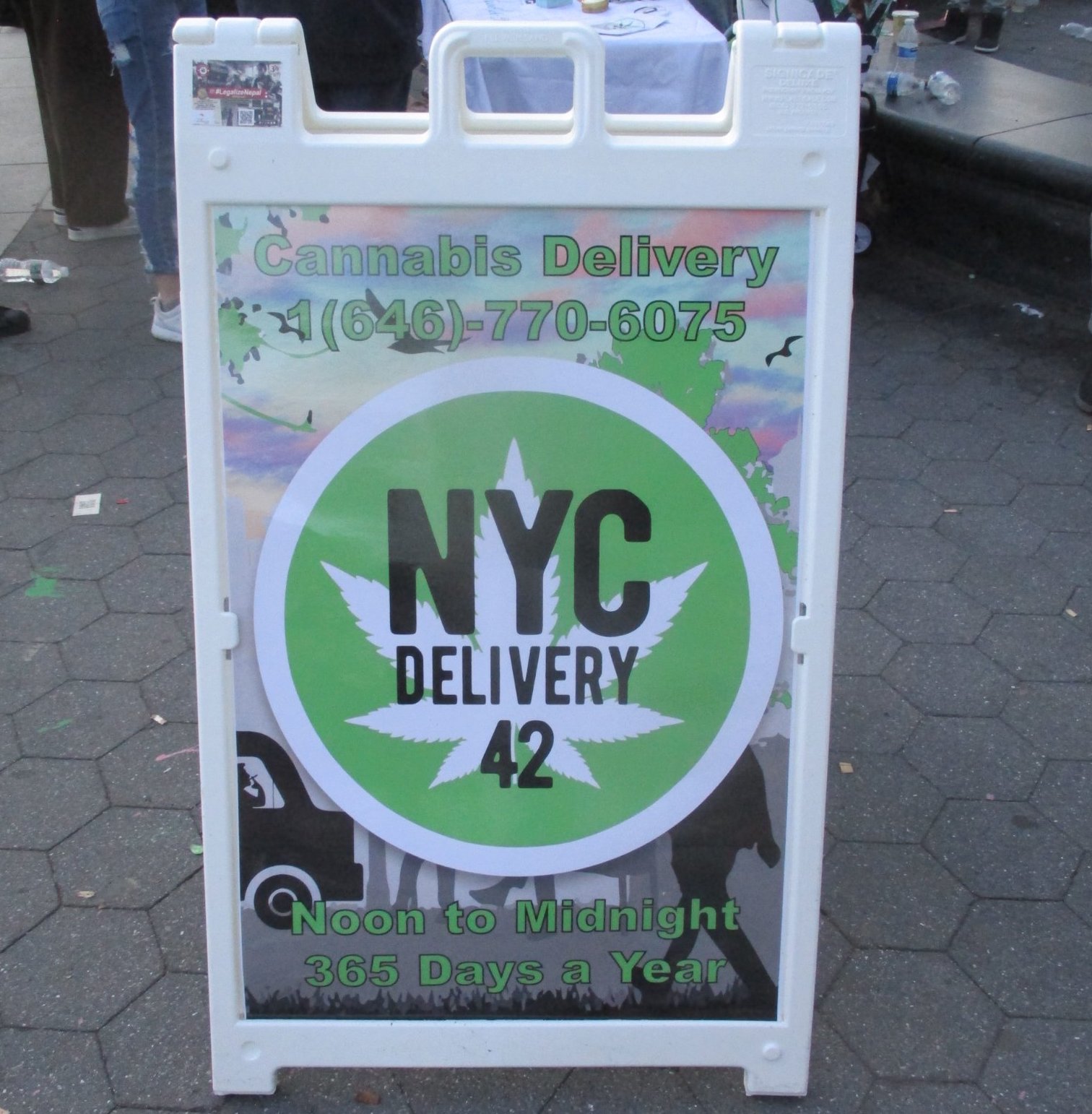
 The long-promised crackdown on unlicensed cannabis sales is finally arriving in New York City. The permanent cannabis carnival in Washington Square has been cleared by the police, and unlicensed stores are being raided. Yet, in a bitter irony, obstacles to the licensed retail sector, including legal challenges, continue to mount.
 In a paradox, New York authorities are finally unleashing the long-anticipated crackdown on the state’s legion and proliferating unlicensed cannabis retailers—while the licensing program continues to be slowed by obstacles, including legal challenges.
 Rights for medicinal cannabis users in the workplace have not kept pace with the law in states that have embraced medical and even “recreational” use. Now a case in Vermont may push state and federal authorities alike to close the loopholes that allow workers to be dismissed—and denied unemployment insurance—for using state-legal medicine.
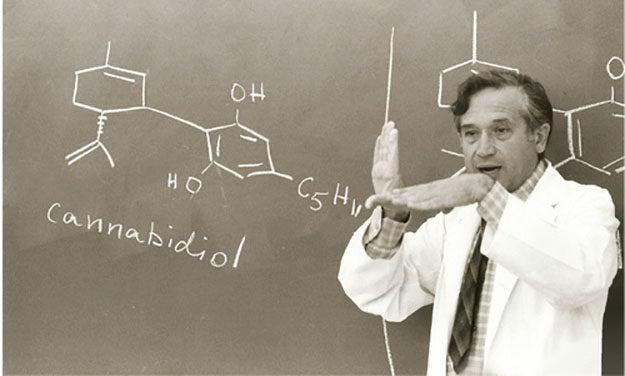 Raphael Mechoulam, the ground-breaking cannabis researcher who first isolated and identified THC in 1964, died in Israel at the age of 92. His passing was announced March 10 by Jerusalem's Hebrew University, where Mechoulam co-founded the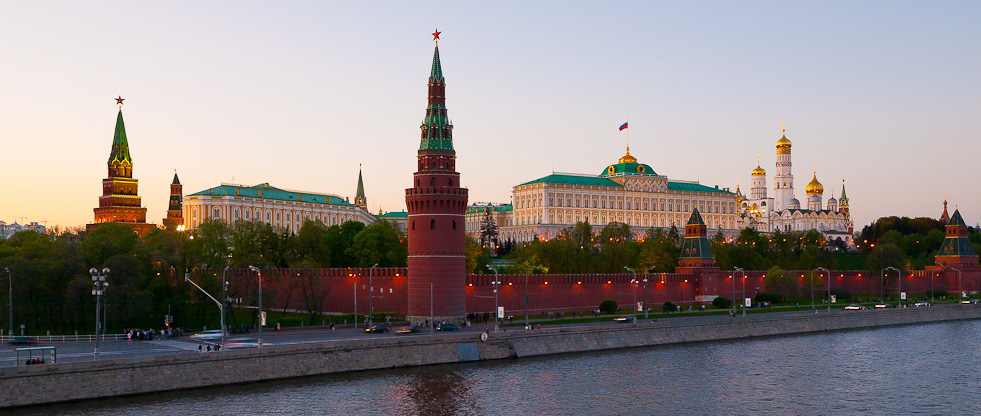
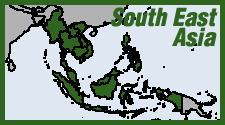 The arrival of a major US multi-state operator in Bangkok is a sign of the global cannabis industry's big ambitions for Thailand, the first Asian country to decriminalize. But with enabling legislation still pending, the regulatory environment remains uncertain.
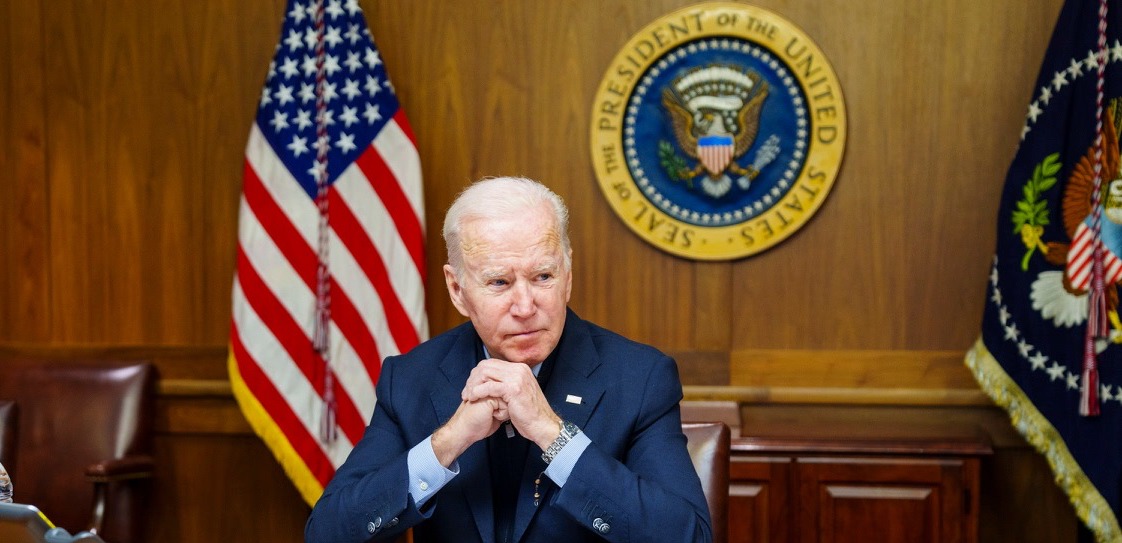 Despite a heretofore uninspiring record, Biden is poised to complete a trifecta of long-sought reforms of federal cannabis law: giving the industry access to financial services, expungement of convictions for possession, and allowing medical research.


Recent comments
3 weeks 6 days ago
4 weeks 6 days ago
5 weeks 4 hours ago
6 weeks 2 days ago
11 weeks 3 days ago
13 weeks 6 days ago
19 weeks 4 hours ago
30 weeks 6 days ago
33 weeks 13 hours ago
34 weeks 13 hours ago