
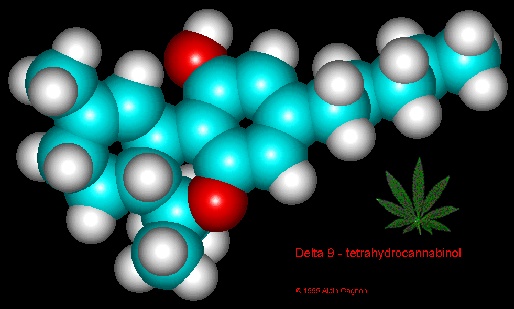
 For a generation now, science has known of two cannabinoid receptors—specialized protein molecules that interact with the active compounds in the cannabis plant for the human body. These are CB1 and CB2, both discovered in the early '90s. Now there is growing awareness of a third such receptor that was identified in 2007. This receptor, GPR55, may be key to understanding a wide spectrum of therapeutic applications for cannabinoids—and especially the non-psychoactive cannabidiol, or CBD.
 Emotional exchanges at City Council hearings in New York focused on the NYPD's "gang database," which critics say targets and stigmatizes even those who have long since cut ties to the city's "crews." The city has seen big militarized raids on housing projects as part of the crackdown on crews in recent years. But while heavy charges against suspected crew members made headlines at the time of the raids, little note was paid when some of those charges were downgraded to mere marijuana possession. Are claims of pot-dealing being used to place the city's Black and Latino youth on the database?
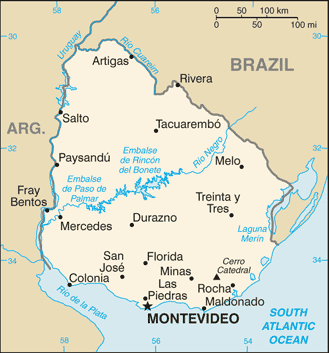 A year after legal cannabis first went on sale in Uruguay, it is still only available at a small handful of pharmacies. One particularly ironic obstacle has emerged: Uruguay's banks face US sanctions under the Patriot Act if they do any business with the country's legal cannabis industry. So a measure passed by the US Congress to crack down on criminal and terrorist networks that use drug profits is actually helping to keep cannabis under the control of criminal networks.
 Canada is about to make history, with passage of its cannabis legalization bill imminent. Prime Minister Justin Trudeau is the man of the hour, shepherding the first Western industrialized country along a course that was nearly unthinkable a generation ago. But it was activist efforts that really brought Canada to this point—and advocates are still fighting to keep a place for small growers and vendors in the new system.
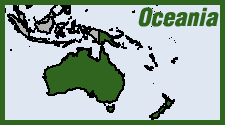 The government of New Zealand has announced that it plans to hold a referendum on cannabis legalization, possibly as early as next year. A medical marijuana bill is already pending in the country's parliament. But it has taken generations of activist effort by Kiwis to bring Aotearoa (by the country's indigenous Maori name) to this point. Cannabis Now speaks with some of the leaders who made it happen.
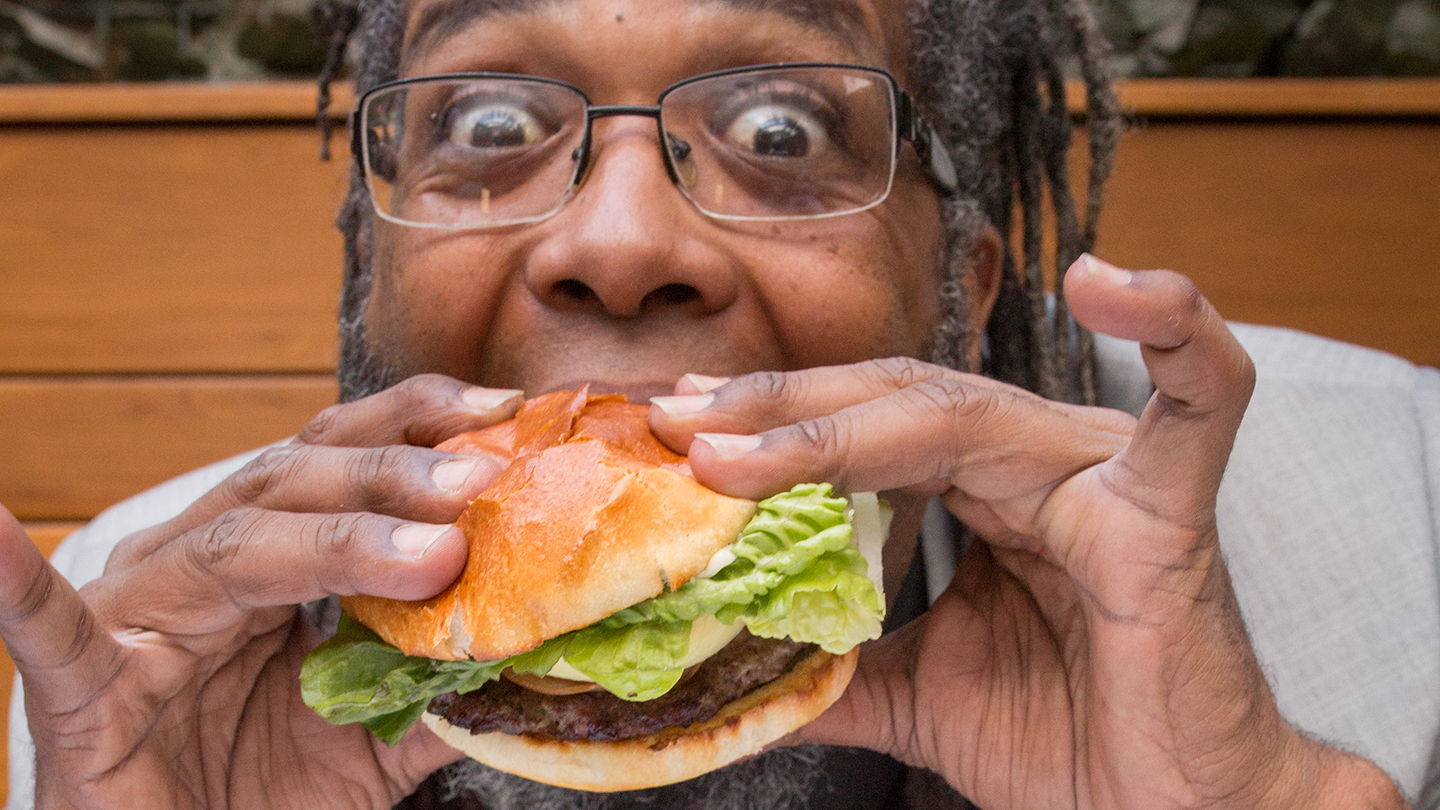 In the latest testament to fast-growing mainstream embrace of cannabis, Netflix this month debuts a competitive cooking show exclusively featuring dishes prepared with the herb. And not just for flavoring—under the show's rules, all recipes must actually get you high.
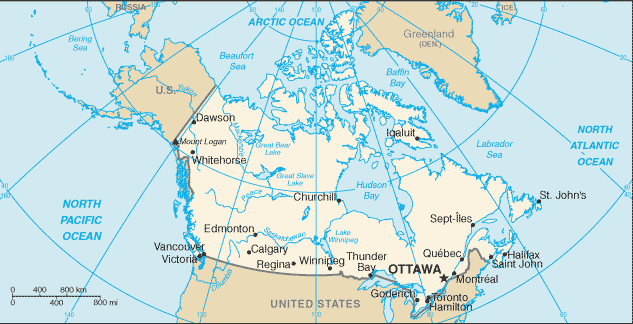 Amid the controversies over how Canada's federal government and provinces will divide regulatory oversight as well as the tax revenues from legal cannabis, a largely overlooked question is the role of the country's First Nations. With passage of the Canadian Cannabis Act now imminent, indigenous groups agree they want more involvement in the process. But First Nations are divided between those hoping for a windfall from legal sales and those actually calling for passage of the Cannabis Act to be put off because native peoples were not properly consulted.



Recent comments
12 weeks 4 days ago
13 weeks 7 hours ago
21 weeks 1 day ago
22 weeks 2 days ago
23 weeks 12 hours ago
28 weeks 2 days ago
34 weeks 5 days ago
34 weeks 5 days ago
37 weeks 6 days ago
38 weeks 5 days ago