
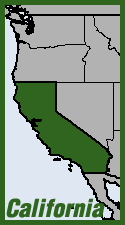
 A police raid of a Southern California medical marijuana dispensary was caught on hidden cameras—leading to accusations that officers exceeded their legal authority during the operation. "These guys were doing this to shut down a business without due process because they don't like it," Matthew Pappas, attorney for the now-closed Costa Mesa Collective told the Orange County Register in an Aug. 4 report. "They became judge, jury and executioner."
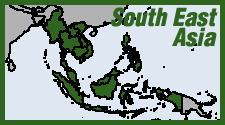 Indonesia carried out its first executions in over a year on July 29, sending four drug convicts to a firing squad at the special island prison of Nusa Kambangan. The executions of the four—two Nigerians, one Senegalese and one Indonesian—came despite diplomatic pressure and international condemnation. As many as 10 other people await execution in Indonesia—including foreign nationals, and almost entirely on drug-related charges. Campaigners are still trying to win clemency for
 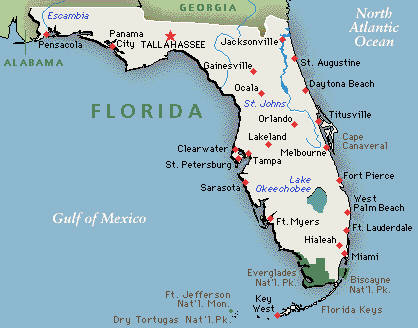 A north Florida company on July 20 was awarded the state's first license to process and distribute medical marijuana for the limited number of patients who qualify under stringent regulations.
 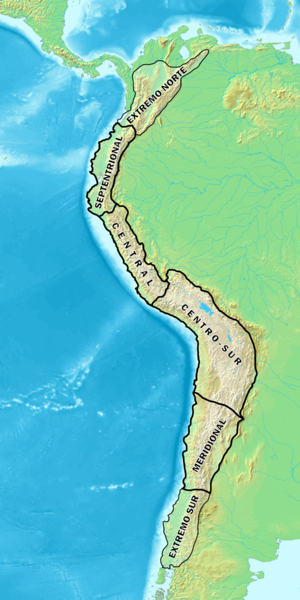 The UN Office on Drugs and Crime (
 According to the latest World Drug Report (
 As Canada prepares to
  PharmaCielo Colombia Holdings, local subsidiary of Canada-based



Recent comments
12 weeks 1 day ago
12 weeks 4 days ago
20 weeks 5 days ago
21 weeks 6 days ago
22 weeks 4 days ago
27 weeks 6 days ago
34 weeks 2 days ago
34 weeks 2 days ago
37 weeks 3 days ago
38 weeks 2 days ago