
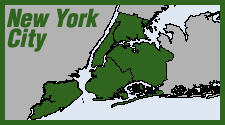
 Two New York City cops have been disciplined after a disturbing video surfaced showing a 16-year-old boy pistol-whipped and beaten after being stopped on suspicion of pot possession. A Brooklyn grand jury is to begin hearing evidence in the case to determine whether criminal charges should be brought against the cops, according to the Daily News of Oct. 7. The video, taken around 2:20 AM on Aug. 29, shows Kahreem Tribble running from police, slowing down and apparently attempting to surrender on St. John's Place in Bedford-Stuyvesant. He'd already come to a complete stop on the sidewalk when one of the cops, identified as Tyrane Isaac, threw a punch to Tribble's head. The teen put up his hands—only to have a second cop, David Afanador, slug him across the face with his sidearm. A third officer, identified as Christopher Mastoros, can be seen taking no action to help Tribble as he is brutalized. Tribble suffered several broken teeth, swelling and mouth injuries. He was arrested for marijuana possession. Police said Tribble tossed a small canvas bag as they gave chase; the recovered bag contained 17 zip-lock baggies of cannabis. "These police officers behaved themselves in a truly deplorable manner," said Tribble's lawyer, Amy Rameau. "This type of conduct should not be tolerated and I want to see them prosecuted for what they did to my client."
 You think those international forces patroling the coast of Somalia are supposed to be protecting the sea lanes from pirates, right? Well, that's not all they're doing. In the latest operation completed on Oct. 6, an Australian frigate, the HMAS Toowoomba, backed up by a New Zealand search plane trailed a dhow—a type of sailboat traditionally used by Arab merchants— from the Arabian Sea to the Horn of Africa. After four days, the Australian crew was able to board the dhow, and a search turned up 5.59 metric tons of hashish. The operation was conducted under the command of Combined Task Force 150 (
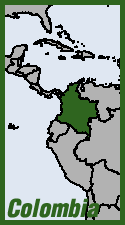 On Sept. 30, Peruvian President Ollanta Humala and his Colombian counterpart Juan Manuel Santos and their respective cabinet ministers held a rare joint meeting in Peru's Amazon river port of Iquitos. There, they signed a binational accord to launch a joint effort to "cleanse Putumayo"—a reference to the jungle river basin that has for many years been under the virtual control of criminal enterprises. The Río Putumayo, a tributary of the Amazon, forms the border between the two countries in the lawless region. The Colombian side is a key stronghold of the FARC guerillas, which is believed to do business with the criminal gangs that operate freely on the Peruvian side. Santos said "we have common enemies, such as the narco-traffic, illegal mining and cutting of forests." (
 Dean Becker, a former reporter at non-commercial
  Mexican authorities on Oct. 1 claimed another coup against the cartels, announcing the arrest of
  On Sept. 18 the US Central Intelligence Agency (
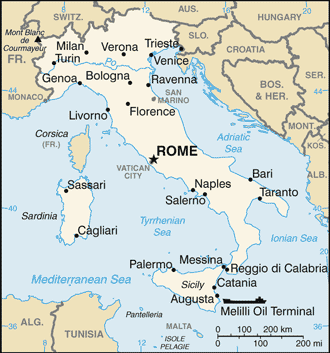 Italy's government announced Sept. 18 plans to cultivate medical marijuana at a secure military lab outside Florence and distribute it through pharmacies. Medical marijuana has been legal in Italy since 2007, but only some 60 patients have signed up with the program overseen by the national healthcare system, the Azienda Sanitaria Locale. The Florence Military Chemical-Pharmaceutical Plant (
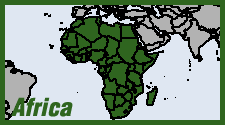 Two years ago, a military putsch in the small West African nation of Guinea-Bissau was dubbed a "





Recent comments
11 weeks 5 days ago
12 weeks 1 day ago
20 weeks 1 day ago
21 weeks 3 days ago
22 weeks 1 day ago
27 weeks 3 days ago
33 weeks 5 days ago
33 weeks 6 days ago
36 weeks 6 days ago
37 weeks 6 days ago