
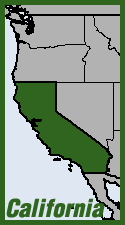
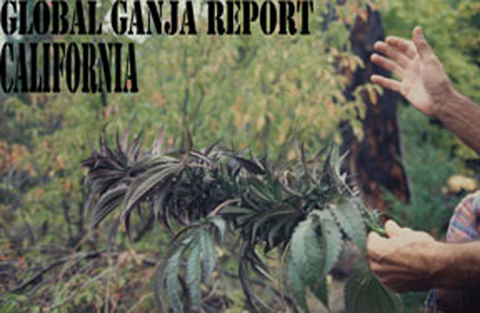
 Law enforcement agents in six Northern California counties are preparing for the largest series of cannabis raids yet conducted in the Emerald Triangle. "Operation Full Court Press" will unleash hundreds of local, state and federal agents, first targeting the Mendocino National Forest, combing the mountains for illegal growers who authorities say have set up "huge plantations" deep in the woods, some reportedly numbering tens of thousands of plants. Law enforcement contends that many of the illegal growers are Mexican nationals who are linked to large drug-trafficking cartels. As evidence of a strong Mexico connection, prosecutors point to hundreds of Mexican nationals arrested in recent years at illegal outdoor grows in the Golden State. (California Watch, July 21)
 The country's leading medical marijuana advocacy group, Americans for Safe Access (
 Entertainment Weekly's
  New Jersey Gov. Chris Christie held a press conference July 19 to announce his plans to "begin work immediately" on his state's pending medical marijuana program. "We're moving forward with the program as it was set up," said Christie, with the expectation that licensed Alternative Treatment Centers could be up and operating as early as the end of 2011. Christie said he believed "the need to provide compassionate pain relief to these citizens of our state outweighs the risk we are taking in moving forward with the program." Christie's announcement comes in spite of threats from US Attorneys on the issue and a June 29
 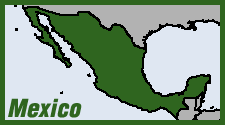 Mexican soldiers patrolling a remote desert area of Ensenada municipality in Baja California discovered a massive cannabis plantation, which authorities say is the largest yet found in the country. The plantation, full of rows of 8-foot plants, was being tended by dozens of men, who were operating an irrigation system, pumping water through hoses from a well they had dug. Most of them escaped, with six being caught later at a military checkpoint.
  The East Bay Express'
  We have noted before that the



Recent comments
13 weeks 4 days ago
14 weeks 18 hours ago
22 weeks 1 day ago
23 weeks 2 days ago
24 weeks 23 hours ago
29 weeks 3 days ago
35 weeks 5 days ago
35 weeks 5 days ago
38 weeks 6 days ago
39 weeks 5 days ago