 Attorney General Jeff Sessions, the Trump administration's most notorious anti-cannabis hardliner, surprised advocates when he said in Congressional testimony that he believes there may be "some benefits from medical marijuana." But when pressed on whether his Justice Department would continue the Obama-era policy of not enforcing the federal marijuana laws against medical users in states where it is legal, he failed to give a straight answer.
 New Mexico is the latest state to announce that it will play host to the biggest legal cannabis grow operation in the United States. But other claims to that title over the past years have still not panned out, and a facility in Arizona now occupies the number one slot. And as various states vie for the honor, Canada is far in the lead of its southern neighbor.
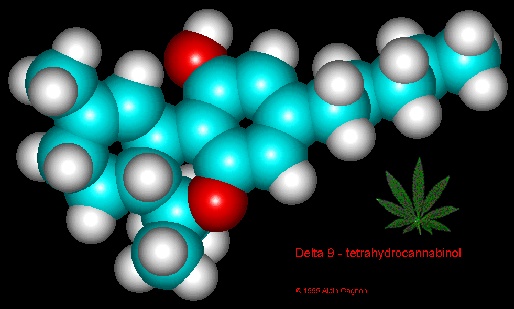 A recent study about the impact of cannabinoids on bone density is raising concerns about possible ill effects on longterm heavy marijuana smokers. Earlier studies, however, showed potential for certain cannabinoids in treating bone fractures. The relationship between cannabis and bone-building function may be more complicated than recent media reports suggest.
 Going on two years after the US territory of Guam approved a medical marijuana measure by voter initiative, the program remains stalled over the supposed lack of any laboratory on the island to carry out quality control. Patients and their advocates charge that the island's government is bottle-necking the program by failing to sufficiently fund it. At heated public hearings on the issue last week in the island's legislature, advocates accused authorities of violating the will of the voters.
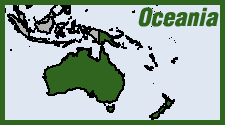 The Green Party in Australia has just come out in favor of cannabis legalization, making a big media splash in the country. The Greens are a significant party in the Land Down Under, and all observers agree this marks a watershed moment. But it will be a challenge for the Greens to win enough allies in Parliament to make it happen.
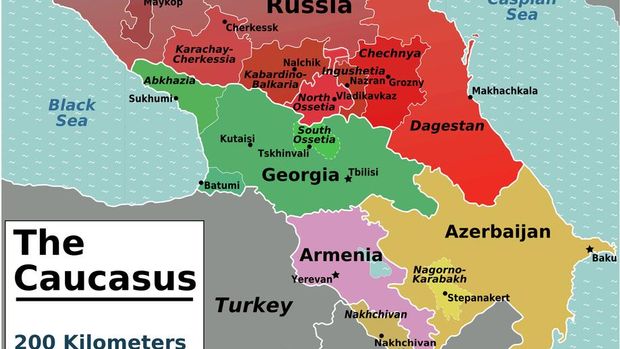 With Moscow accused of all manner of sinister shenanigans on the global stage, calls are mounting for a boycott of the World Cup, which is scheduled to be held in Russia this summer. Among the cases drawing special ire from rights groups is that of the leading human rights activist in Chechnya—now imprisoned on a "blatantly fabricated" cannabis charge.
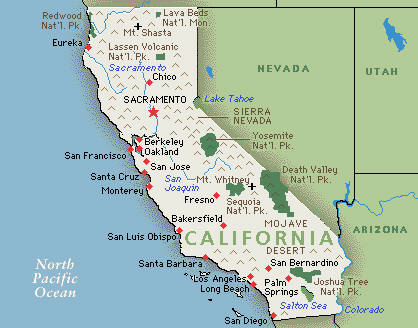 The seizure by federal agents of some 100 homes around Northern California supposedly used in grow operations financed by criminal networks based in China points to ongoing dilemmas in the state's contraband cannabis economy—which persists even in the wake of legalization.
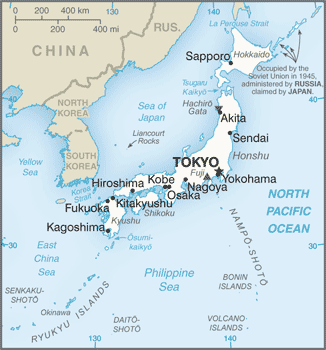 Cannabis is completely verboten n Japan—rare, expensive and very illegal. First Lady Akie Abe broke taboo by advocating a medical marijuana program from the country—but she's now embroiled in scandal, nipping the proposal in the proverbial bud. Yet more grassroots advocates have also emerged. One local historian in agricultural Tochigi Prefecture has opened a "cannabis museum," documenting millennia of use of the plant for medicine, sacrament and fiber in the archipelago.



Recent comments
13 weeks 4 days ago
14 weeks 5 hours ago
22 weeks 1 day ago
23 weeks 2 days ago
24 weeks 9 hours ago
29 weeks 2 days ago
35 weeks 5 days ago
35 weeks 5 days ago
38 weeks 6 days ago
39 weeks 5 days ago