
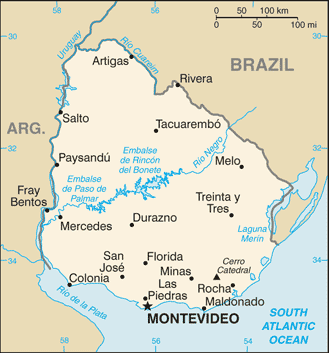
 The two companies responsible for cannabis production in Uruguay this week began the country's first legal harvest, claiming some 300 grams each from hundreds of plants gown in licensed indoor or greenhouse operations. The president of the National Drug Board (JND), Juan Andrés Roballo, announced that "soon the first harvest from the licensed companies" will be hitting the nation's pharamcies. The companies, International Cannabis Corp (ICCorp) and Simbiosys, with facilities on the outskirts of Montevideo, planted in February under the close oversight of the government's Institute for the Regulation and Control of Cannabis (IRCCA). The harvest will continue next week; then another six weeks for drying, manicuring and packing before it arrives in stores. This means by August, Uruguayans will be able to purchase packets of five or 10 grams at 50 licensed pharmacies. The price is set at one euro or $1.20 per gram.
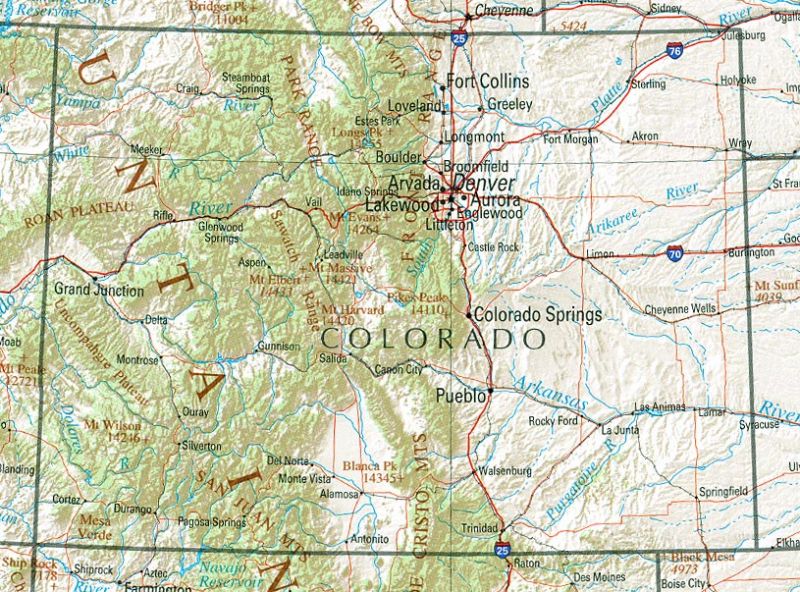 "Colorado teens stubbornly refuse to smoke more weed." That's the smart-alecky headline over a chart of youth cannabis use rates that appeared in the
  The Internet is atwitter over a June 19 report in the
  In a sure sign of changing times,
 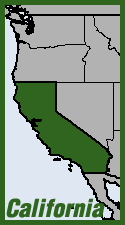 The California Attorney General's Office sent a team to the Emerald Triangle's Siskiyou County in the prelude to the June 7 primary election, following reports of armed men from the sheriff's department intimidating members of the county's Hmong community—including menacing some at gunpoint. Sheriff
  Big Apple tokers exhaled a sigh of relief in November 2014, when Mayor
  Oakland's City Council voted unanimously on May 4 to approve a measure expanding the number of cannabis dispensaries and related businesses operating in the city. The new law seeks to bring the existing black market under the city's regulatory regime, covering everything from grow operations to retail sales. It will allow adding up to eight new dispensary permits each year, and foresees up to 30 new cultivators, 12 delivery businesses, five distributors, five transporters, two testing facilities and 28 manufacturing businesses.



Recent comments
13 weeks 4 days ago
14 weeks 8 hours ago
22 weeks 1 day ago
23 weeks 2 days ago
24 weeks 13 hours ago
29 weeks 2 days ago
35 weeks 5 days ago
35 weeks 5 days ago
38 weeks 6 days ago
39 weeks 5 days ago