
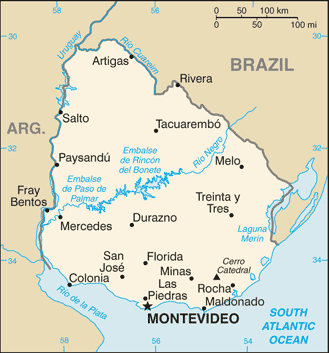
 The two companies responsible for cannabis production in Uruguay this week began the country's first legal harvest, claiming some 300 grams each from hundreds of plants gown in licensed indoor or greenhouse operations. The president of the National Drug Board (JND), Juan Andrés Roballo, announced that "soon the first harvest from the licensed companies" will be hitting the nation's pharamcies. The companies, International Cannabis Corp (ICCorp) and Simbiosys, with facilities on the outskirts of Montevideo, planted in February under the close oversight of the government's Institute for the Regulation and Control of Cannabis (IRCCA). The harvest will continue next week; then another six weeks for drying, manicuring and packing before it arrives in stores. This means by August, Uruguayans will be able to purchase packets of five or 10 grams at 50 licensed pharmacies. The price is set at one euro or $1.20 per gram.
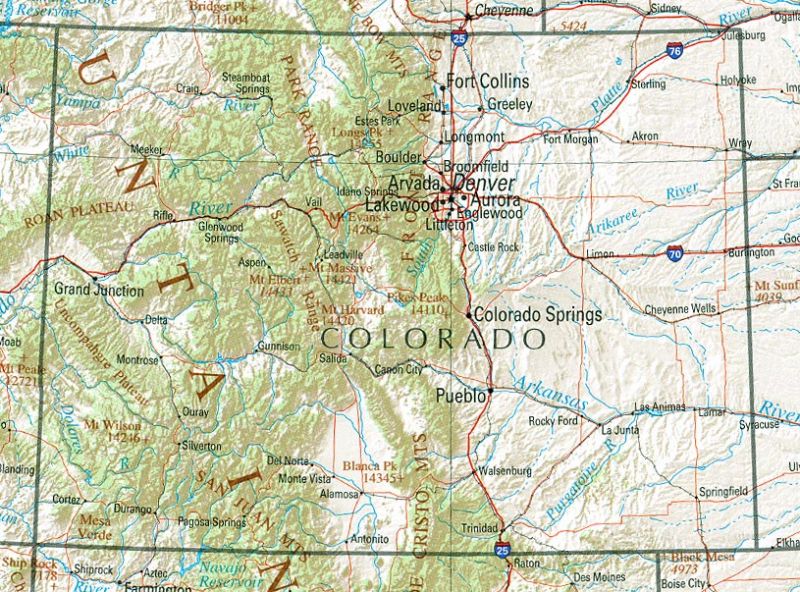 "Colorado teens stubbornly refuse to smoke more weed." That's the smart-alecky headline over a chart of youth cannabis use rates that appeared in the
 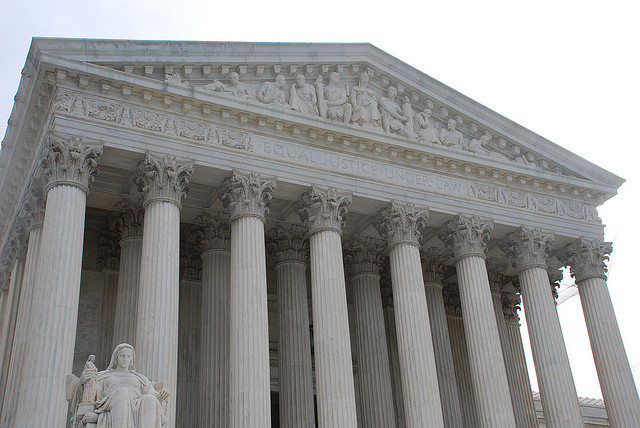 The Supreme Court on June 20 ruled that evidence discovered in a police stop found to be illegal may still be used in court—with the caveat that the officers conducted their search after learning that the suspect had an outstanding arrest warrant. In a 5-3 ruling, the Supremes found that such searches do not violate the Fourth Amendment. The case, Utah v. Strieff, concerned Edward Strieff, who in December 2006 was stopped by an officer staking out a suspected drug-dealing location in South Salt Lake. Grounds for the stop were later ruled inadequate because it was not based on reasonable suspicion. During the stop, the officer ran a check and discovered Strieff had an outstanding warrant for a minor traffic violation, and conducted a search—finding a baggie full of methamphetamines and a pipe that was deemed paraphernalia. A district court later ruled that although the cop didn't have the right to stop Strieff, the evidence was admissible. The highest court in the land has now agreed.
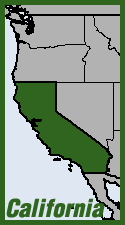 Within 48 hours of the June 15
 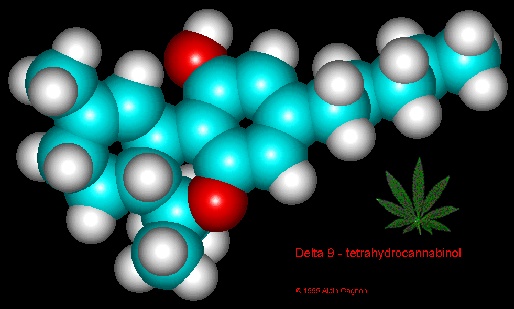 The Internet is atwitter over a June 19 report in the
  In a sure sign of changing times,
  Following the weekend's



Recent comments
12 weeks 3 days ago
12 weeks 6 days ago
21 weeks 23 hours ago
22 weeks 2 days ago
23 weeks 4 hours ago
28 weeks 2 days ago
34 weeks 4 days ago
34 weeks 5 days ago
37 weeks 5 days ago
38 weeks 5 days ago