
 A Bollywood celebrity was arrested for supposedly using hashish and other drugs on a cruise ship off Mumbai—one of a slew of high-profile cases that have embarrassed India's entertainment industry and political establishment. Apart from providing fodder for the gossip columns, however, the affair raises serious concerns about civil rights in "the world's largest democracy."
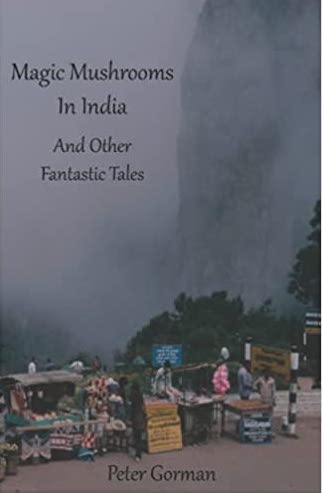 Further adventures of
 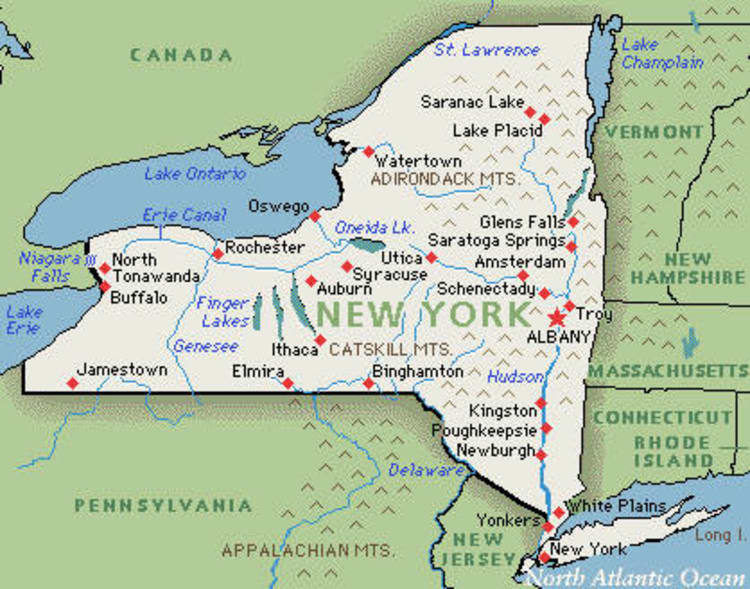 In a struggling former prison town in New York state, the closed prison is being converted into a cannabis grow facility, raising hopes for an economic renaissance. Cannabis has been posed as a post-industrial future for the Hudson Valley region, but there is a particular sense of poetic justice to this case.
 The VA only pledges not to cut off benefits to military veterans who use medical marijuana if they are enrolled in a state program. Those in states with no such programs remain the lurch. So vets are now speaking out in favor of pending state medical marijuana laws.
 Amid continued federal intransigence on recognizing cannabis as legitimate medicine for military veterans, advocates take heart in legislation pending on Capitol Hill that would mandate that the VA study the question.
 In
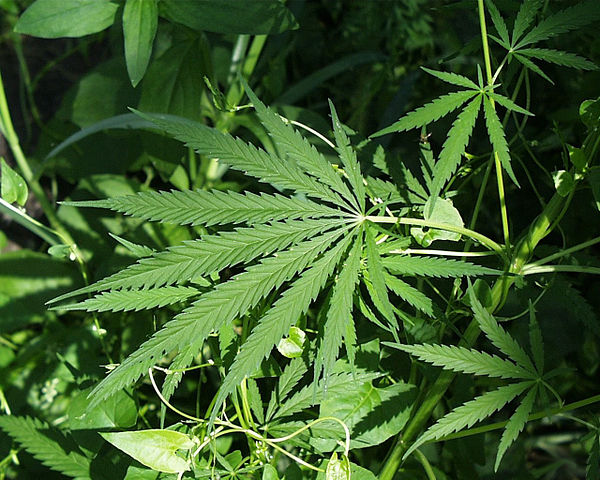
In  It's pretty surreal that even as a legal cannabis industry emerges on a global scale, there are still countries that impose outrageously draconian sentences for the herb—up to and including the death penalty.
 California has finally taken a step to resolve the ambiguities and inconsistencies in the regulation of hemp-derived CBD — a move that could see the state setting a de facto national standard in light of continued inaction by the US Food & Drug Administration.



Recent comments
13 weeks 3 days ago
13 weeks 6 days ago
22 weeks 21 hours ago
23 weeks 1 day ago
24 weeks 2 hours ago
29 weeks 2 days ago
35 weeks 4 days ago
35 weeks 5 days ago
38 weeks 5 days ago
39 weeks 5 days ago