
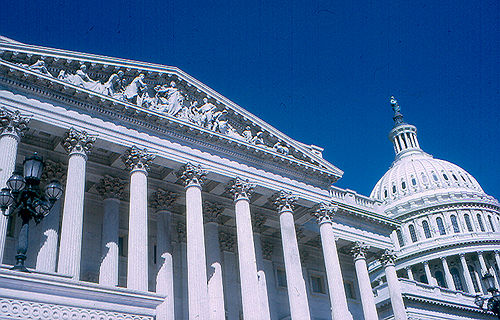
 It's been a week since Senate Majority leader Chuck Schumer of New York, joined by Sen. Cory Booker (D-NJ) and Sen. Ron Wyden (D-OR), unveiled much-anticipated draft legislation to legalize cannabis at the federal level, calling it a "long overdue" move "to right the wrongs of the failed war on drugs." The proposed Cannabis Administration & Opportunity Act would remove the plant from the Controlled Substances Act, and allow states to craft their own cannabis policies as they do with alcohol. It would also create a federal regulatory framework and impose an excise tax for cannabis products. It includes measures that would expunge prior convictions and allow those serving time for applicable crimes to petition for resentencing.
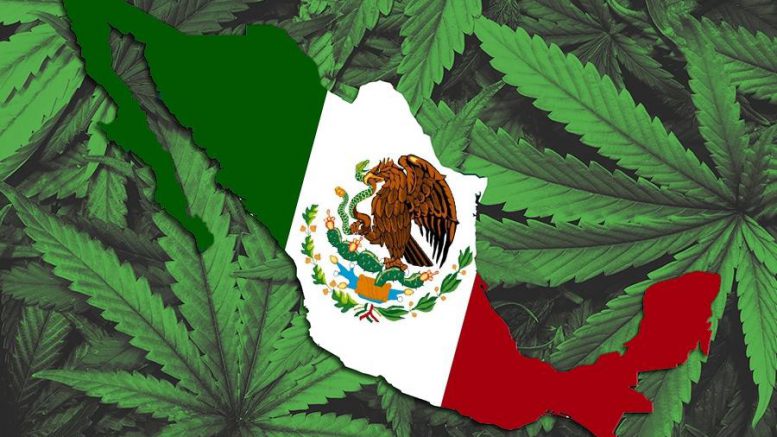 Two years and counting after Mexico’s Supreme Court ordered the country’s Congress to legalize cannabis, the high court justices ran out of patience with the legislative paralysis and issued a new ruling — this one removing penalties for personal use by judicial decree.
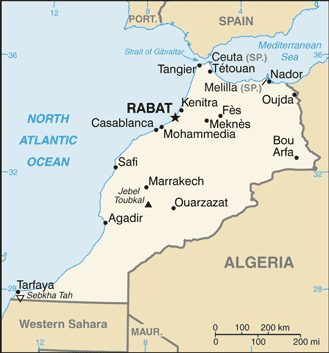 Morocco, long the world's largest illicit producer, is finally getting a legalized commercial cannabis industry, thanks to a law actually introduced by the current otherwise conservative government. The new law is designed to daylight traditional small growers in the marginalized Rif Mountains.
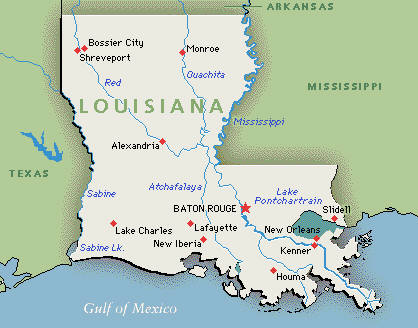 The Louisiana Senate voted 20-17 on June 7 to lift criminal penalties for possession of small amounts of cannabis. Introduced by Rep. Cedric Glover (D-Shreveport),
  The sex scandal investigation of Florida's far-right Rep. Matt Gaetz interlocks with a controversy concerning favoritism in handing out medical marijuana licenses in the Sunshine State. And one of the key beneficiaries appears to be Trulieve, now one of the leading cannabis companies in the United States. The origins of the firm go back to a nexus of prominent state Republicans, including names currently making stomach-churning national headlines.
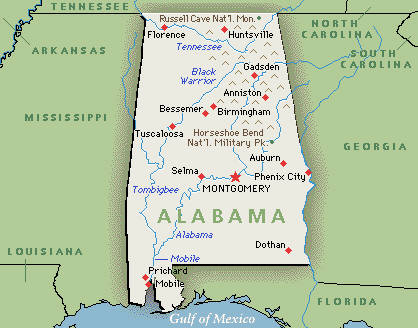 Alabama's Gov. Kay Ivey signed a bill May 17 legalizing the use of medical cannabis products in the state—on strictly limited terms. The new law, coming after decades of Republican opposition, allows use of extracts, tinctures, tablets or gel cubes—but not herbaceous flower, or any other products that can be smoked or vaped. Edibles such as cookies or candies are also barred.
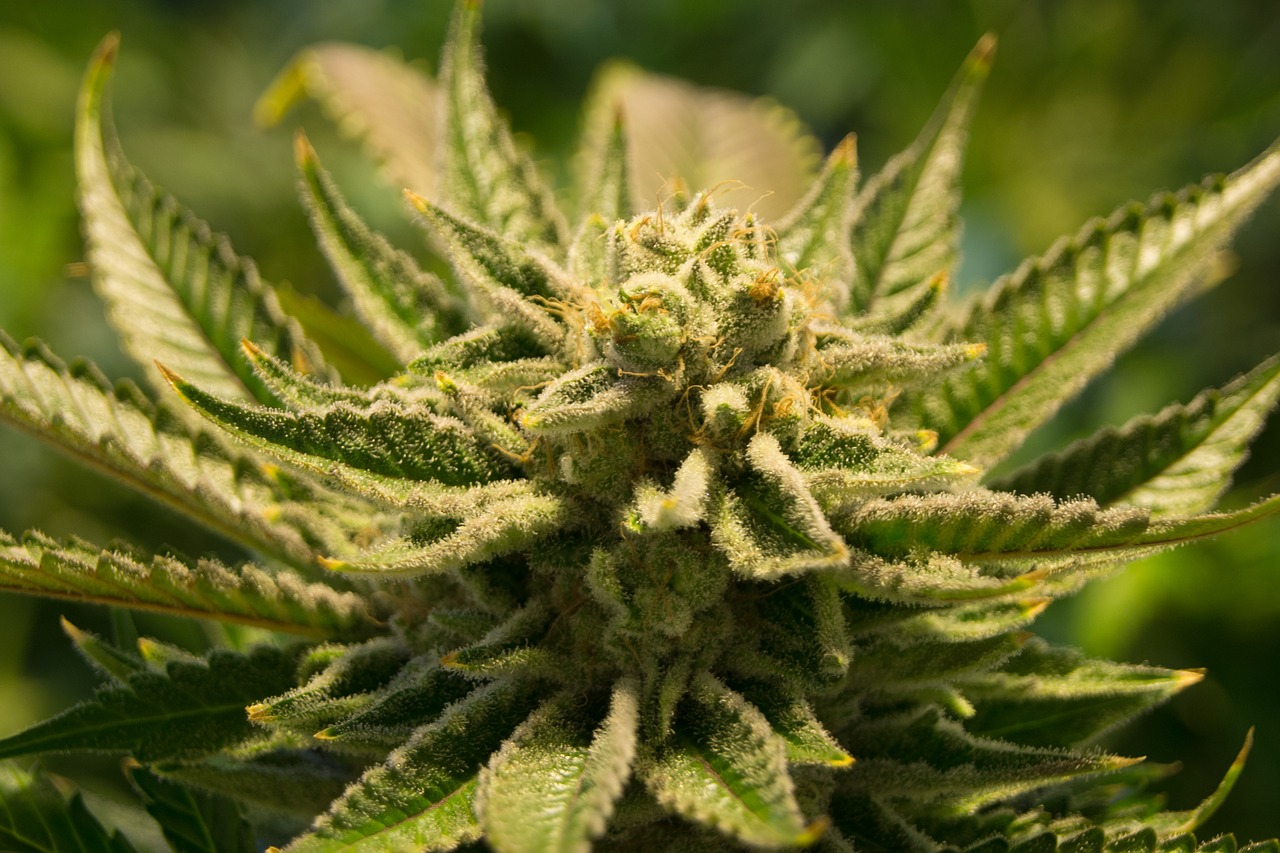 As political and legal space opens for cannabis in state after state, the idea of caps on the potency — whether of flower, extracts or edibles — is gaining currency. But voices in the cannabis industry view this as a phobic response rooted in the flawed assumptions of prohibition.
 Among the ambiguous areas in the state medical marijuana laws from coast to coast is the status of cannabis and its derivatives as veterinary medications. Now, a new non-profit has been launched to advocate for legal standards and clarity on the question.



Recent comments
13 weeks 3 days ago
13 weeks 6 days ago
22 weeks 21 hours ago
23 weeks 1 day ago
24 weeks 2 hours ago
29 weeks 2 days ago
35 weeks 4 days ago
35 weeks 5 days ago
38 weeks 5 days ago
39 weeks 5 days ago