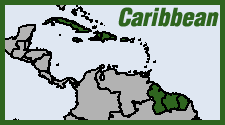
 At the semi-annual summit of the Caribbean Community (CARICOM), held July 1-4 in Antigua, regional leaders agreed to establish a commission to review marijuana policy and assess the need for reforms. The communiqué issued at the conclusion of the meeting stated: "Heads of Government agreed to establish a Regional Commission on Marijuana to conduct a rigorous enquiry into the social, economic, health and legal issues surrounding marijuana use in the Region and to advise whether there should be a change in the current drug classification of marijuana, thereby making the drug more accessible for a range of users." Prime Minister Ralph Gonsalves of St. Vincent and the Grenadines, who pushed to get the issue on the agenda as chair of CARICOM, said: "It seems to me counterproductive to ignore the potential of an industry in respect of medical marijuana and to continue to expend police, national security, court resources on persons who consume a minuscule amount of marijuana in the privacy of their homes." (Drug Policy, July 7)
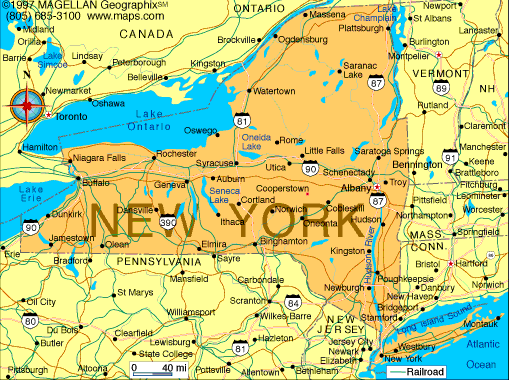 Gov. Andrew Cuomo signed a bill into law July 7 that makes New York the 23rd medical marijuana state. Advocates celebrated a deal struck last month between Cuomo and the state legislature that will protect qualified patients from arrest, prosecution and discrimination, and license up to 20 distribution facilities across the state. The new law empowers the New York State Department of Health (
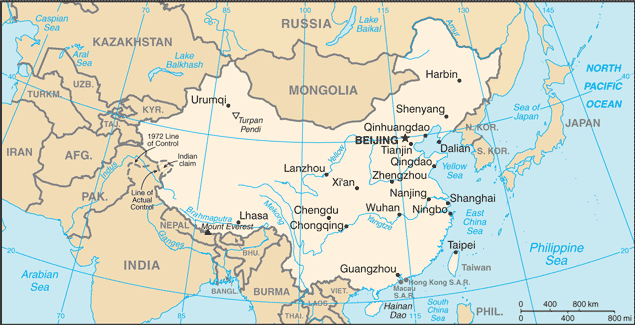 On June 26,
  On June 27, Massachusetts' Department of Public Health
 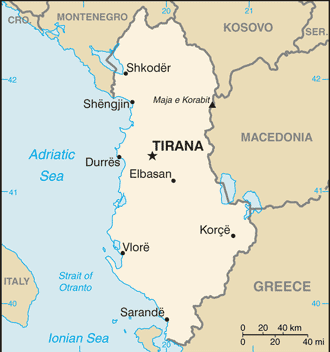 Hundreds of Albanian police, backed by armored vehicles, stormed the southern village of Lazarat June 16 after cannabis growers apparently fired machine-guns, mortars and rocket-propelled grenades at officers sent in on a drug raid. Four people—a police officer and three villagers—are reported injured so far in the operation that remains underway. Smoke is reported to be rising above the village, with witnesses saying it was caused by locals burning cannabis plants before police closed in. Security forces have seized more than 10 tons of cannabis in the operation thus far. Lazarat is said to produce some 900 tons of cannabis annually, worth 4.5 billion euros ($6.1 billion)—equivalent to nearly half of Albania's gross domestic product. The village of some 5,000 people lives off the proceeds from the cannabis trade. Aerial photos suggest some 60 hectares were cultivated in Lazarat last November, amounting to an estimated half the total production of Albania. Heavily armed villagers have repeatedly fended off security forces sent in to eradicate the crop.
 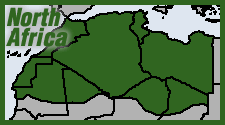 Moroccan police have announced the seizure of nearly 30 tons of hashish in Casablanca, one of the largest hauls in the top cannabis-exporting country in years. According to the official MAP news agency, police raided a warehouse in the port city June 7, seizing 12 tons of chira, after the discovery a day earlier of 16.7 tons hidden inside a shipping container at the port, thought to be part of the same consignment. The container was apparently bound for Libya. Police arrested two men, including one said to be the leader of the smuggling ring. Judicial police chief Abdelhak Khayyam said an investigation has been launched into "a large-scale trafficking operation, sending the drug to an Arab country via Casablanca port."
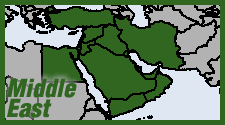 Authorities in Saudi Arabia have


Recent comments
13 weeks 4 days ago
14 weeks 11 hours ago
22 weeks 1 day ago
23 weeks 2 days ago
24 weeks 15 hours ago
29 weeks 2 days ago
35 weeks 5 days ago
35 weeks 5 days ago
38 weeks 6 days ago
39 weeks 5 days ago