
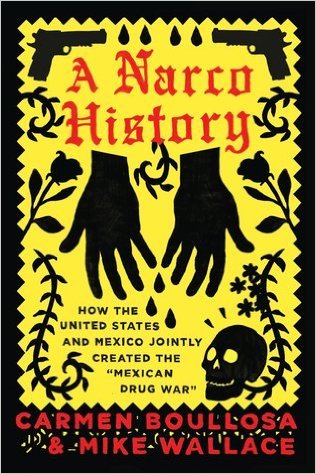
 It takes a strong stomach to wade through the relentless parade of horror that is A Narco History. But if you really want to grasp "How the United States and Mexico Jointly Created the 'Mexican Drug War'," as the subtitle promises—this is the book to read...
Co-authors Carmen Boullosa and Mike Wallace open with a chillingly detailed depiction of the grisly end met by 43 student protesters in Guerrero state, who were in September 2014 abducted by police and turned over to a mass-murdering narco-gang. What authorities believe to be their burnt remains were left in garbage bags at the bottom of a canyon.
 Members of the
  Philadelphia Inquirer columnist
 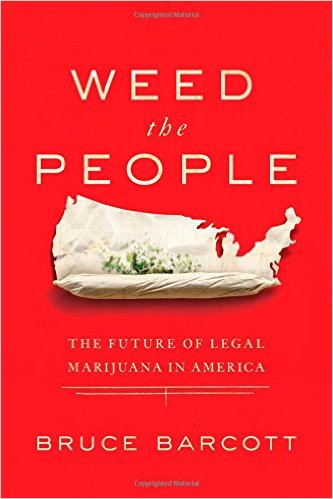 There have been quite a few histories of cannabis culture and politics, but
  Voters in Ohio on Nov. 3 rejected a proposal to legalize medical and recreational use of cannabis. Issue 3 would have allowed adults 21 and older to use, purchase or grow regulated quantities, and also made cannabis available for medical use in the same vote—a unique approach nationally. It would additionally have permitted retail sale of cannabis-infused products, and created a "Marijuana Control Commission" to oversee the industry. Complicating matters, the Ohio General Assembly put a competing initiative on the ballot, Issue 2, which would have blocked Issue 3 by prohibiting the granting of special rights by the state constitution. This "anti-monopoly measure" was aimed at barring Issue 3 language that would establish exclusive rights to produce cannabis for the retail market. If both had passed, a legal quagmire loomed. In the actual fact, Issue 2 was approved while Issue 3 was defeated by over 63% of voters. (
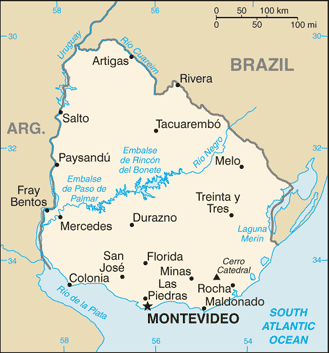 Uruguay's government announced Oct. 1 the granting of licenses to two companies to grow cannabis for commercial distribution.
 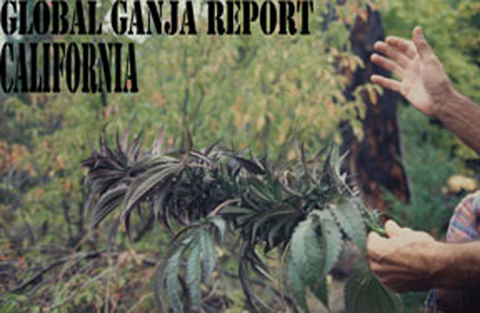 On Sept. 11, the California state legislature approved a trio of bills to establish comprehensive regulation and licensing of medical cannabis. Assembly Bills 243 and 266 and Senate Bill 643 were all passed, and will delegate regulation of commercial medical cannabis cultivation, manufacturing, transportation, and distribution to various state agencies as well as create a state-level licensing system. Gov.
  The
The 



Recent comments
13 weeks 3 days ago
13 weeks 6 days ago
21 weeks 6 days ago
23 weeks 1 day ago
23 weeks 6 days ago
29 weeks 1 day ago
35 weeks 3 days ago
35 weeks 4 days ago
38 weeks 4 days ago
39 weeks 4 days ago