
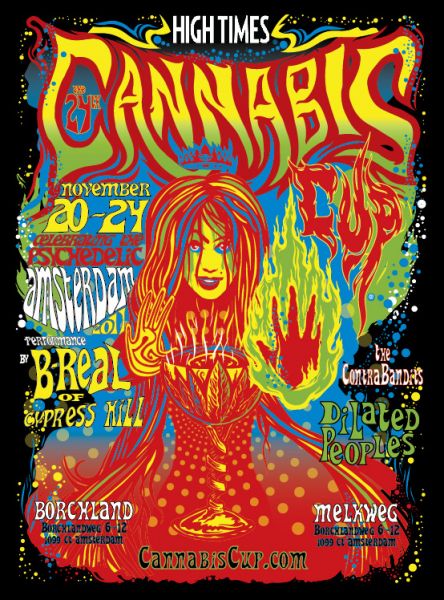
 For the first time in its 24-year history, the annual High Times Cannabis Cup in Amsterdam was raided by police Nov. 23. Some 100 armed and uniformed Dutch police officers entered the Cannabis Cup Expo at the Borchland Sportcentrum venue, occupying the building and separating the hundreds of attendees from exhibitors, who were instructed to remain at their tables. David Holland, event counsel, Tweeted: "Police are ensuring that all vendors are in compliance with the 500 gram limit under the Opium Law for licensed vendors at the venue." Small quantities of cannabis were reportedly confiscated, but no arrests were made. The Cup awards and entertainment proceeded that night as planned at the city's Melkweg club. (Legalization Nation, CelebStoner, Nov. 28; Legalization Nation, Vancouver Sun, Nov. 23)
 A majority of Maastricht city councillors on Nov. 7 called upon the Dutch government to delay for at least a year its plans to force cannabis cafes to become members-only clubs. The southern city is also calling on other border towns to join its campaign for a delay to the new rules, which the government says are necessary to combat public nuisance and organized crime. Maastricht says it needs more time to work out a system for enforcing the new rules, and to take a decision on extra policing.
 Mexico's former President Vicente Fox again spoke out for drug legalization this month, telling a Washington DC meeting of the right-libertarian Cato Institute's
  The Dutch government announced Oct. 7 that it will reclassify high-potency cannabis, placing it in the same category as hard drugs, claiming that THC levels in the strains have dramatically increased over the past generation. The move means that coffee shops will be required to remove the popular potent varieties from their shelves. Dutch politicians say high-strength strains, locally dubbed "skunk," are more dangerous than cannabis of a generation ago. Economic Affairs Minister Maxime Verhagen said that in the future, anything containing more than 15% THC will be treated the same as cocaine and ecstasy.
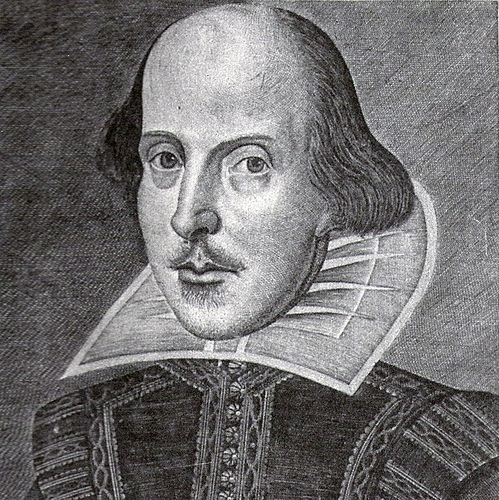 South African anthropologist Francis Thackeray has asked permission to open the graves of William Shakespeare and his family to determine what killed the Bard—and whether his immortal works may have been composed under the influence of cannabis. While Shakespeare's bones could reveal clues about his health and death, the question of his cannabis use depends on the presence of hair, fingernails or toenails in the grave.



Recent comments
13 weeks 5 days ago
14 weeks 1 day ago
22 weeks 2 days ago
23 weeks 3 days ago
24 weeks 1 day ago
29 weeks 3 days ago
35 weeks 6 days ago
35 weeks 6 days ago
39 weeks 3 hours ago
39 weeks 6 days ago