
 A deadly five-car pile-up on a Bay Area freeway brings into sharp focus the questions around cannabis use and road safety. Media exploitation of such carnage as propaganda against legalization, however, is missing some critical points.


This work is licensed under a Creative Commons Attribution-Noncommercial-No Derivative Works 3.0 Unported License.

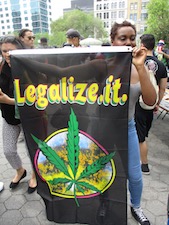 Suddenly, New York state's political establishment is looking seriously at cannabis legalization, driven by growing concerns over long-entrenched racial discrimination in enforcement of the marijuana laws. But there is a growing realization that legalization alone will not be enough to correct this legacy unless it is implemented in way explicitly designed to do so.
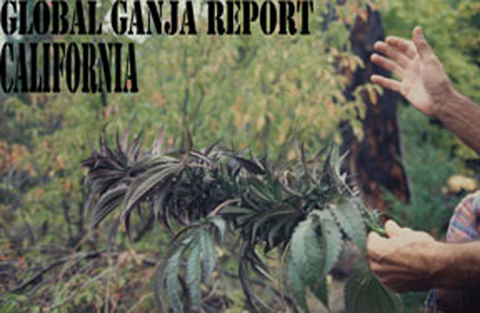 California's Gov. Jerry Brown has unveiled a special investigative force to go after unregistered cannabis growers. This is certainly bad news for the many growers who have failed to register because they consider the taxes and regulations burdensome. In the face of disappointing tax revenues from legal cannabis, is the state using the stick of enforcement rather than the carrot of lower taxes and more favorable regulations to bring more growers in from the shadows?
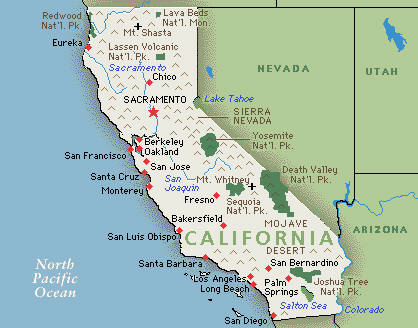 In a still-murky scenario of rare federal enforcement against municipal corruption, FBI agents last week raided the home of the mayor of Adelanto in Southern California's San Bernardino county. In the same operation, a local cannabis dispensary was also searched. Economically troubled Adelanto has aggressively sought investment in its cannabis industry, but paranoia in the wake of the federal raids could have a chilling effect.
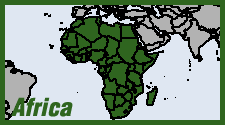 Zimbabwe, seemingly an unlikely candidate, has just become the second African nation to legalize medical marijuana. The only other African country to have done so is the tiny landlocked mountain kingdom of Lesotho—where cannabis has long been tolerated as an economic mainstay. Given that Zimbabwe is traditionally one of Africa's more closed societies, this is a hopeful sign—both that things are loosening up there after the recent fall of its long-ruling strongman, and for an eventual daylighting of the dagga economy throughout the continent.
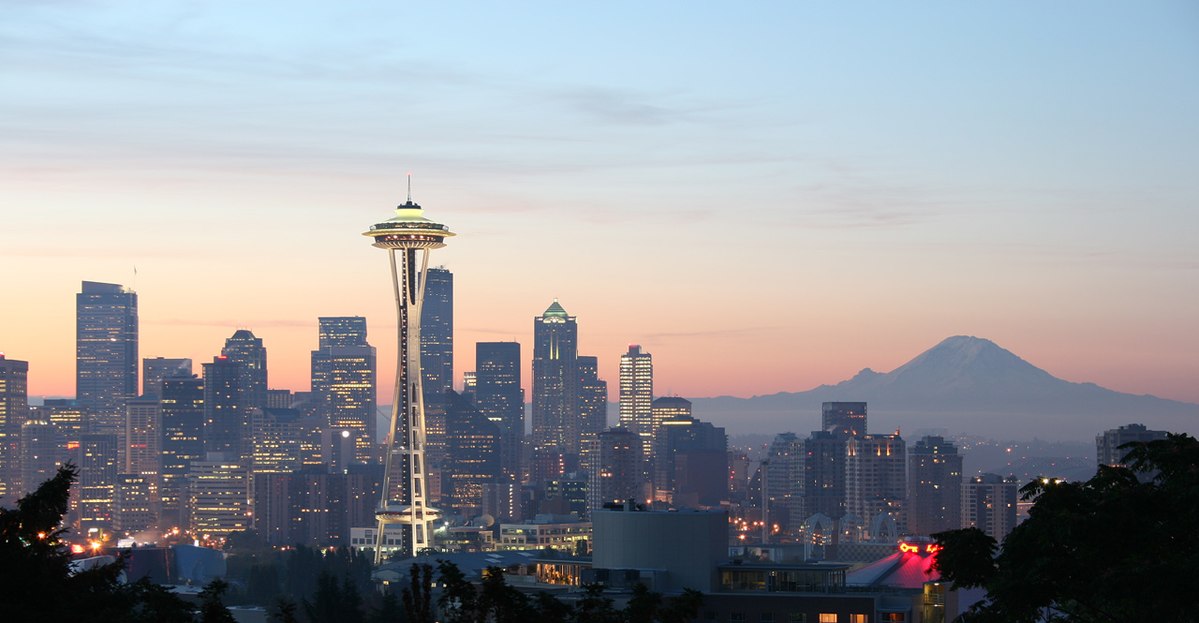 The city of Seattle has filed a motion to vacate hundreds of marijuana convictions going back more than 20 years. As these convictions disproportionately affected people of color, this is being hailed as an important step toward "cannabis equity"—implementing legalization in a way that addresses the social injustices associated with prohibition.
 New Mexico is the latest state to announce that it will play host to the biggest legal cannabis grow operation in the United States. But other claims to that title over the past years have still not panned out, and a facility in Arizona now occupies the number one slot. And as various states vie for the honor, Canada is far in the lead of its southern neighbor.



Recent comments
11 weeks 3 days ago
11 weeks 6 days ago
20 weeks 58 min ago
21 weeks 1 day ago
21 weeks 6 days ago
27 weeks 1 day ago
33 weeks 3 days ago
33 weeks 4 days ago
36 weeks 4 days ago
37 weeks 4 days ago