
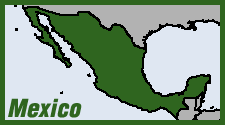
 Lawmakers from Mexico's left-wing Party of the Democratic Revolution (PRD) introduced legislation last week to decriminalize cannabis in an effort to curb cartel violence. One bill, introduced in the federal Congress, builds on the partial decrim passed in 2009, increasing "personal use" quantities from five to 30 grams. It also includes provisions allowing for use of medical marijuana. Another bill in the Federal District's Legislative Assembly would instruct police and judges in Mexico City to deprioritize prosecution of cannabis violations. It would also create "tolerance zones," where cannabis could be sold openly, and "dissuasion commissions" to which violators could be assigned in lieu of criminal charges.
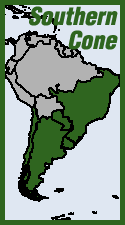 President José Mujica
 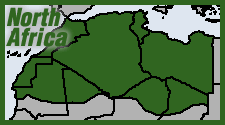 Moroccan lawmakers on Dec. 4 opened an unprecedented debate on legalizing medical and industrial uses of cannabis. The discussion of positive uses of cannabis cultivation "in creating an alternative economy" in Morocco, one of the world's top exporters, was convened following a campaign by dissident politicians. "We are organizing a research day in parliament...on the use of medical kif, with Moroccan and international experts present," said Mehdi Bensaid, an MP with the Party of Authenticity and Modernity (
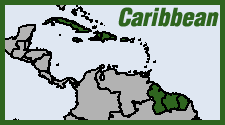 Jamaica's Justice Minister Mark Golding says his office is preparing an initiative to legalize cannabis in the island nation—pointing to the successful state initiatives in the US, traditionally the chief opponent of such efforts by Caribbean countries. "The Ministry of Justice is far advanced in developing a Cabinet submission with a view to reforming the laws relating to ganja," Golding told Jamaica's
 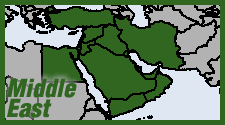 Israel has the
 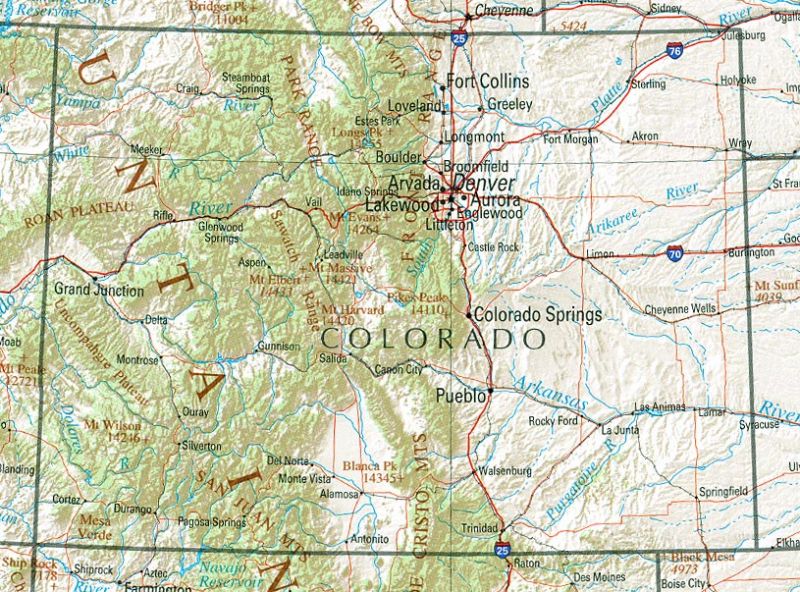 On Colorado's northeast plains, advocates of secession from the state have managed to put the question before voters in 11 counties this November —potentially bringing a split-the-state initiative to statewide vote by November 2014. As Weld County Commissioner and leading secession proponent Sean Conway explained to reporters, an "advisory" vote at the county level would require local lawmakers to request that state legislators introduce a constitutional amendment allowing the northeastern counties to go their own way. That would require two-thirds approval by both houses. Failing that, proponents could put the measure to statewide vote by collecting 80,000 signatures. Finally, the initiative would have to be approved by the US Congress. So it is an arduous process—but proponents are clearly dead serious.



Recent comments
11 weeks 3 days ago
11 weeks 6 days ago
20 weeks 44 min ago
21 weeks 1 day ago
21 weeks 6 days ago
27 weeks 1 day ago
33 weeks 3 days ago
33 weeks 4 days ago
36 weeks 4 days ago
37 weeks 4 days ago