
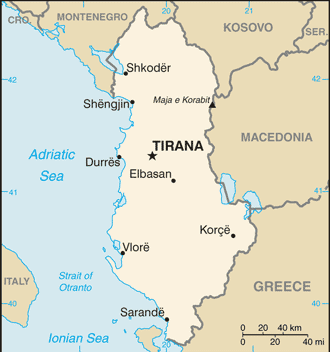
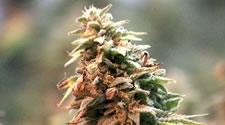
 Balkan Insight reported Feb. 28 that Koço Kokedhima, an MP with Albania's ruling Socialist Party, has launched a campaign calling for the legal cultivation of cannabis. The country is considered a major supplier for Europe, and last year its police carried out major eradication operations, destroying scores of plantations and arresting dozens. "Albania produces cannabis of high quality, well known in Europe. This could be done under state licenses for the pharmaceutical industry," Kokedhima told the parliament in a discussion on ways to support the country's impoverished rural sector.
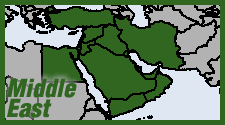
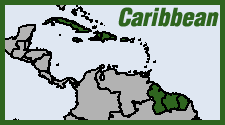 The Jamaican cabinet on Jan. 19 approved a bill to decriminalize possession of personal quantities of ganja (as the stuff is endearingly called in Jamaica's legal code). Beyond that, the bill would establish a Cannabis Licensing Authority to oversee cultivation, sale and distribution for medical, spiritual and industrial purposes. Possession of two ounces or less would be a ticketable infraction, leaving no criminal record. While public use would remain banned, the law would establish both a medicinal and religious defense, as well as permiting licensed cultivation of industrial hemp. The bill, officially the Dangerous Drugs (Amendment) Act of 2015, now goes to the Senate for approval. Justice Minister
  2014 witnessed considerable fraying of the international Drug War consensus—but the horrific violence that finally sparked this long-overdue reckoning continued to take its grim toll. On the upside, Uruguay regsitered its
 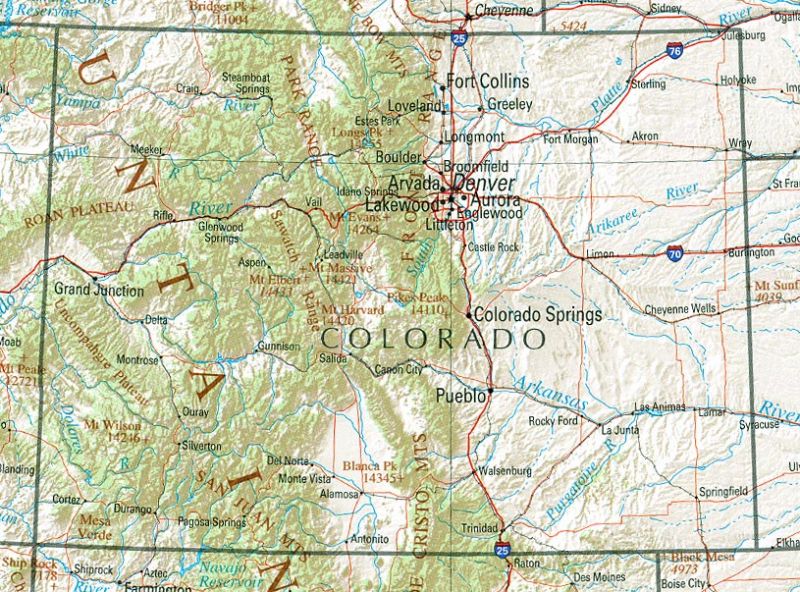 In the most serious challenge yet to Colorado's cannabis legalization policy, the states of Nebraska and Oklahoma took the unusual move of filing a case against it directly with the US
  Reaction continues to mount to news that
  Following the
  In the Nov. 4 elections, voters in Washington DC approved



Recent comments
11 weeks 3 days ago
11 weeks 6 days ago
20 weeks 57 min ago
21 weeks 1 day ago
21 weeks 6 days ago
27 weeks 1 day ago
33 weeks 3 days ago
33 weeks 4 days ago
36 weeks 4 days ago
37 weeks 4 days ago