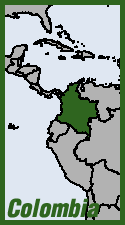
 At the peace talks with the Colombian government that just re-convened in Havana after a holiday break, the FARC rebels released a proposal Jan. 14 outlining a plan to decriminalize and "regulate the production of coca, poppies and marijuana." The proposal came in a lengthy document entitled "The National Program of the Substitution of the Illicit Uses of Coca, Poppy, or Marijuana Crops,” described in a press release as a "special chapter of rural and agricultural reform, social-environmental reform, democracy reform, and participatory reform." The guerrilla group, said to largely finance itself through the drug trade, agreed that growers should be encouraged "to voluntarily grow alternative crops"—a reference to the largely ineffectual crop substitution programs the US has long funded in Colombia. But FARC negotiator Pablo Catatumbo rejected the model of prohibition and eradication. "Instead of fighting the production [of illicit substances] it's about regulating it and finding alternatives," he said. "The fundamental basis of this plan lies in its voluntary and collaborative nature, and in the political will on the part of the growers to take alternative paths to achieve humane living and working conditions." Catatumbo also said the "medicinal, therapeutical and cultural" uses of the substances should be taken into account.

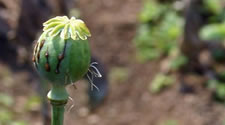 Opium poppy cultivation in Afghanistan rose 7% from 209,000 hectares in 2013 to 224,000 hectares, according to the 2014 Afghanistan Opium Survey (PDF) released Nov. 12 by the Afghan Ministry of Counter Narcotics and the United Nations Office on Drugs and Crime (UNODC). Opium production may increase 17%, with yields estimated to reach 6,400 tons in 2014 compared to the previous year's total of 5,500 tons. These increases come after record highs were marked in 2013, when cultivation rose 36% and production by almost a half over 2012.
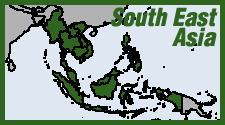 To mark
 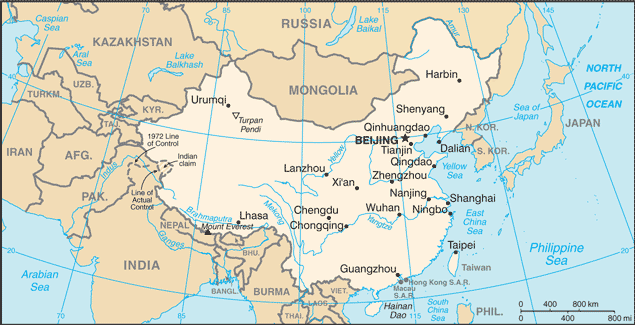 On June 26,
  A May 20 Reuters report picked up by Israel's dialy
 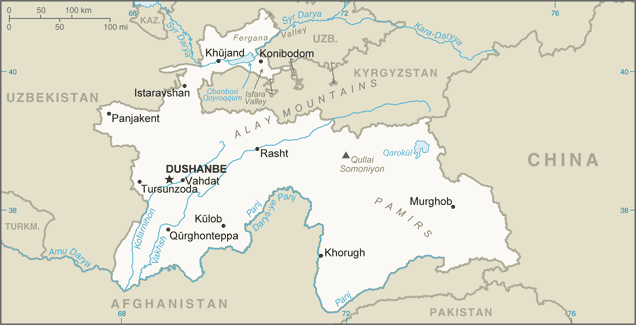 Police in Tajikistan on March 13 burned more than 722.3 kilograms of seized drugs, the Interior Ministry said in a statement. The destroyed substances included 43 kilos of heroin and 11.2 kilos of opium. Although the statement did not make it clear, the remainder (and big majority) of the burned hauls was presumably cannabis. The Interior Ministry did say that troops of the Drug Control Agency (AKN) seized 100 kilograms of hashish at a car stop in Khusheri village.



Recent comments
1 day 13 hours ago
16 weeks 3 days ago
16 weeks 6 days ago
25 weeks 12 hours ago
26 weeks 1 day ago
26 weeks 6 days ago
32 weeks 1 day ago
38 weeks 4 days ago
38 weeks 4 days ago
41 weeks 5 days ago