
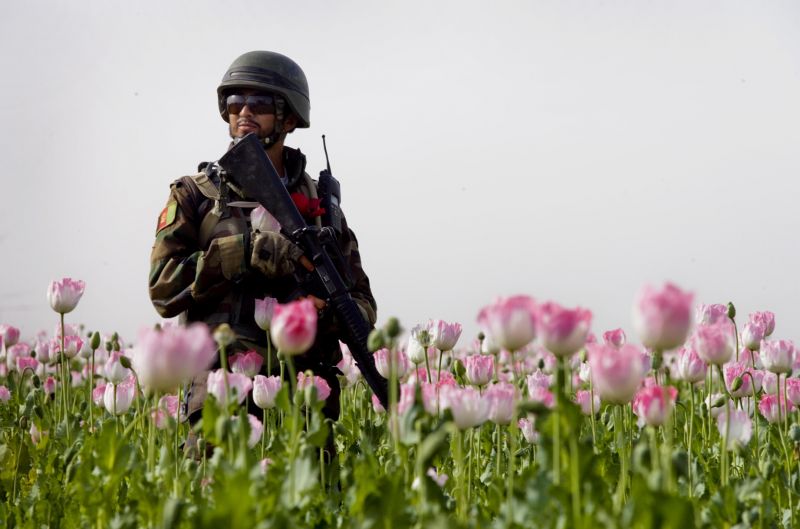
 By the end of 2011, 81 US Drug Enforcement Administration (DEA) special agents will be deployed in Afghanistan, up from 13 just three years ago, according to the agency's chief of operations Tom Harrigan. "Afghanistan is the most prolific producer of opium," said Harrigan. "We are working very closely with our Afghan counterparts. We're there to extend the rule of law." (Federal News Radio, July 23)
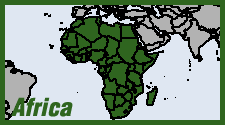 Ghanians cheering their national team to victory in the World Cup match in South Africa may have been imbibing in more than just beer. Earlier this month, agents of Ghana's National Drug Law Enforcement Agency (NDLEA) discovered 70 acres of land under illegal cannabis cultivation at Omuaran, Ekiti state. The plantations were burned and seven farmworkers arrested. (
 A "mysterious" fungus that has damaged opium poppy crops in Afghanistan is sparking fears of US biological warfare. Helmand farmers interviewed by BBC Pashto service were convinced that "they" had deliberately destroyed the crops—the pronoun "they" being a euphemism for US secret agents, believed by the farmers to have sprayed the crops with the fungus. The UN drug control office in Afghanistan is conducting an investigation into the outbreak.
 Colombia's presidential election on May 30 is developing into an unexpectedly tight race between
 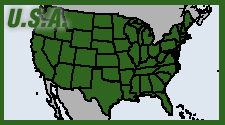 New York State Sen. George H. Winner Jr. (R-Elmira) plans to renew efforts to pass legislation creating a state-level drug dealer registry that would require convicted felony drug convicts to register with the state Division of Criminal Justice Services for up to 10 years. The effort was prompted by several high profile felony drug arrests across the state's Southern Tier, along with input from local law enforcement officials, Winner said. The registry would be similar to one that is already in place for convicted sex offenders.
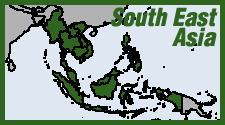 A Thai man was released from an Indonesian prison this week after spending an extra three years behind bars due to a typographical error in his paperwork. Kamjai Khong Thavorn, 53, was to be released in 2007 after completing a 20-year term for heroin possession, but the typo wrongly recorded his sentence as starting in 1997 rather than 1987.
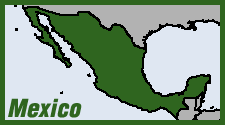 2009 saw both a significant advance and retreat for a humane drug policy in Washington's two closest Drug War allies in Latin America. First in August—in a move that made few stateside headlines, and registered not a peep of protest from the Obama administration—Mexico's conservative President Felipe Calderón signed into law a bill decriminalizing "personal quantities" of all drugs.



Recent comments
10 weeks 6 days ago
11 weeks 2 days ago
19 weeks 3 days ago
20 weeks 4 days ago
21 weeks 2 days ago
26 weeks 4 days ago
33 weeks 5 hours ago
33 weeks 12 hours ago
36 weeks 1 day ago
37 weeks 12 hours ago