
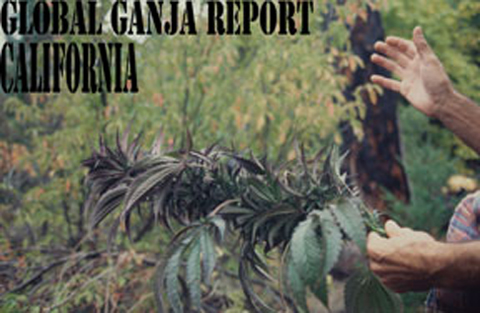
 In Humboldt County, famed as the heartland of Northern California's cannabis-producing Emerald Triangle, big police raids of cultivation sites—with thousands of plants eradicated—are continuing despite the Golden State's new legalization program. Many growers are choosing to remain underground, in spite of the risks to their property and freedom. And a big part of the reason why seems to lie in a confusing and contested county regulation regime.
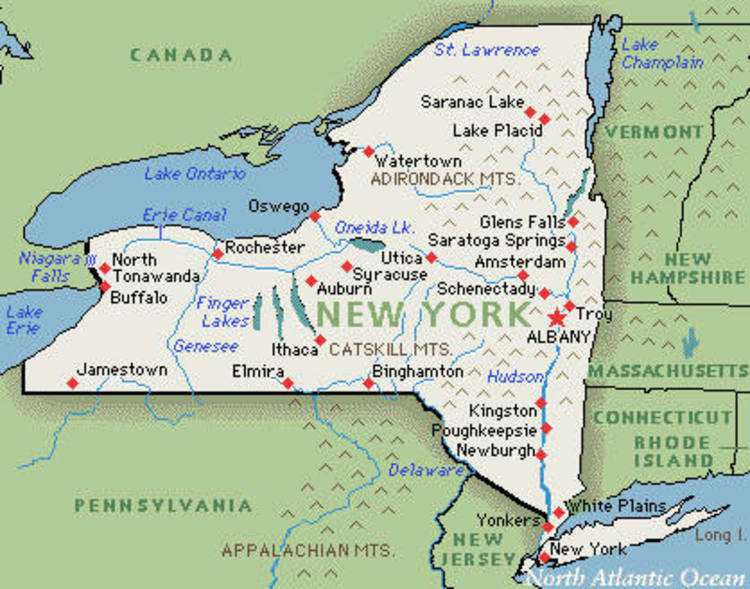 Things are moving fast in the Empire State, with cannabis legalization proposals striding toward mainstream acceptance—spurred by a growing sense of injustice over the racial disparities in enforcement. In what could be a watershed moment, the state Democratic Party just adopted a resolution to embrace legalization. The party elite seem to be feeling the pressure from below in a gubernatorial election year.
 Arizona's top court issued a ruling hailed as a victory both for medicinal cannabis users and for the power of the state's voters to make law through the initiative process. The justices struck down a law banning possession of cannabis on college campuses even by those registered under the state medical marijuana program. In fact, the victory is limited—it doesn't mean students with medical marijuana cards can now light up on campus. But simple possession, at least, now cannot be prosecuted.
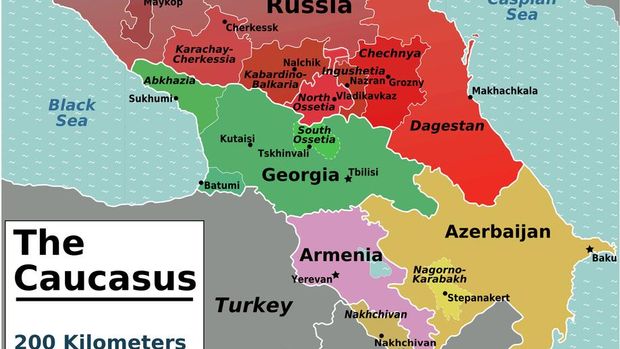 A protest in the Caucasus republic of Georgia to demand legalization of personal drugs use, with an emphasis on cannabis, points to changing times in the former USSR. The youth group behind the protest was first formed to demand freedom for a popular artist who was sentenced to 14 years for possession of a small amount of herb. The country's top court actually struck down penalties for cannabis possession as a result of the case. But the activists are pressing their campaign—a sign of cultural thaw in a region with very harsh drug laws.
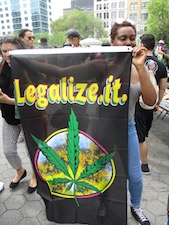 Suddenly, New York state's political establishment is looking seriously at cannabis legalization, driven by growing concerns over long-entrenched racial discrimination in enforcement of the marijuana laws. But there is a growing realization that legalization alone will not be enough to correct this legacy unless it is implemented in way explicitly designed to do so.
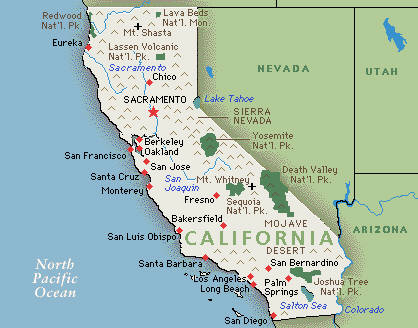 In a still-murky scenario of rare federal enforcement against municipal corruption, FBI agents last week raided the home of the mayor of Adelanto in Southern California's San Bernardino county. In the same operation, a local cannabis dispensary was also searched. Economically troubled Adelanto has aggressively sought investment in its cannabis industry, but paranoia in the wake of the federal raids could have a chilling effect.
 Around the world, mothers are on the frontlines of demanding legal access to cannabis products for their children who suffer from epilepsy and other ailments. Often, these courageous moms have risked their freedom to provide medicine for their offspring. Sometimes they have actually shamed the authorities into changing the law—but still face the prospect of prison time.




Recent comments
2 weeks 4 days ago
2 weeks 6 days ago
2 weeks 6 days ago
2 weeks 6 days ago
4 weeks 3 days ago
20 weeks 5 days ago
21 weeks 1 day ago
29 weeks 2 days ago
30 weeks 3 days ago
31 weeks 1 day ago