
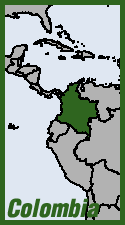
 Amid peace talks in Havana, Colombia's FARC guerillas issued an angry communique Dec. 14, insisting "We are a rebel group, not narco-traffickers." This was in response to President Juan Manuel Santos' suggestion that FARC drug-trafficking could be considered a "political crime," potentially sparing guerilla leaders prosecution. This of course won Santos howls of outrage from the right; now he gets it from the other side. The FARC statement accused the government of trying to "confuse the minds of Colombians" with a "distortion," and decried the existence of a "capitalist narco-trafficking business" in the country. (El Espectador, El Tiempo, Dec. 14)
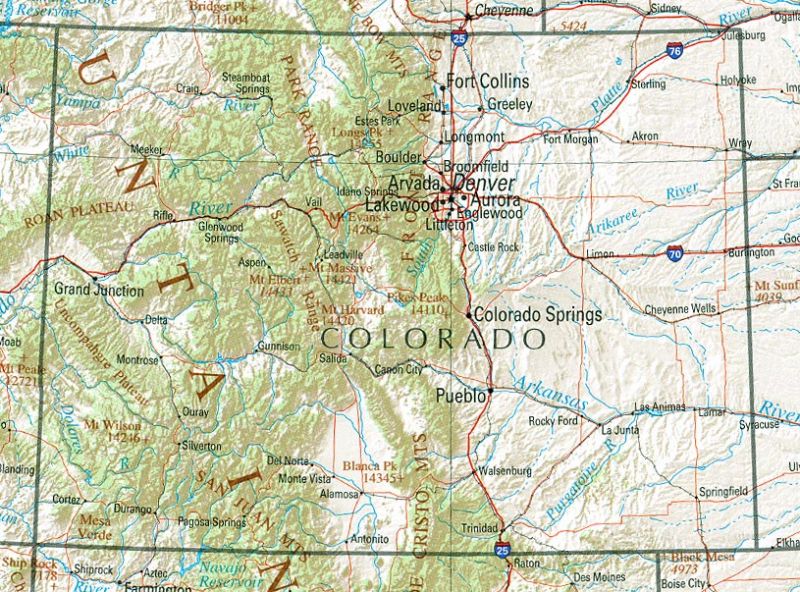 In the most serious challenge yet to Colorado's cannabis legalization policy, the states of Nebraska and Oklahoma took the unusual move of filing a case against it directly with the US
 The House and Senate appropriations leadership has hammered out a budget bill that includes an historic amendment to curb federal Department of Justice (DoJ) enforcement in medical marijuana states. The measure, which was originally passed by the House in May with a 219-189 vote, aims to prohibit the DoJ from spending taxpayer money to undermine state medical marijuana laws. "This is great news for medical marijuana patients all across the country," said Rep.
 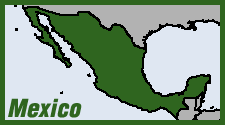 The sentencing last month in a case related to the Sinaloa Cartel's
  The decades-long civil war in the Democratic Republic of Congo shows signs of
  US representatives



Recent comments
15 weeks 18 hours ago
15 weeks 3 days ago
23 weeks 4 days ago
24 weeks 5 days ago
25 weeks 3 days ago
30 weeks 6 days ago
37 weeks 1 day ago
37 weeks 1 day ago
40 weeks 2 days ago
41 weeks 1 day ago