
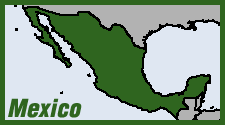
 Mexican federal police arrested 38 people across violence-torn Michoacán state on Jan. 20, claiming a blow against the notorious Knights Templar drug cartel. Among those detained was Jesús Vázquez Macías AKA "El Toro"—claimed to be a top kingpin of the blood-drenched narco network. "El Toro" was apprehended in the port city of Lázaro Cárdenas, and flown to a prison in Veracruz state, far from his home turf. But Lázaro Cárdenas, one of Mexico's key Pacific ports and industrial hubs, was actually taken over by federal security forces back in November, ostensibly to protect it from the warring narco gangs. That El Toro apparently managed to remain at large in the city until now loans credence to the claims of Michoacán's vigilante network that the government is turning a blind eye to the drug lords. (AFP, BBC News, Milenio, Jan. 20; BN Americas, Jan. 10; Reuters, Jan. 1)
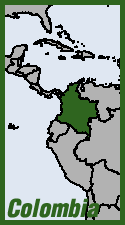 At the peace talks with the Colombian government that just re-convened in Havana after a holiday break, the FARC rebels released a proposal Jan. 14 outlining a plan to decriminalize and "regulate the production of coca, poppies and marijuana." The proposal came in a lengthy
 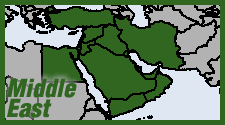 Turkish security forces report that they seized 150 tons of hashish in 2013, with 89 tons seized in southeastern Diyarbakir province, Turkey's Kurdish heartland. Authorities also said a somewhat improbable 56 million cannabis plants had been seized in Diyarbakir, and 382 arrested. The provincial Counter Narcotics Department called it a record-breaking year. (
 New York
  The
The 



Recent comments
15 weeks 15 hours ago
15 weeks 3 days ago
23 weeks 4 days ago
24 weeks 5 days ago
25 weeks 3 days ago
30 weeks 5 days ago
37 weeks 1 day ago
37 weeks 1 day ago
40 weeks 2 days ago
41 weeks 1 day ago