
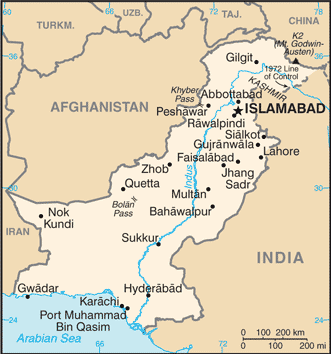
 Nearly 108 tribesmen from Pakistan's remote northwestern borderlands were abducted by presumed Taliban militants April 12 from a mela (festival) where local hashish merchants were displaying and sampling their wares. Most were liberated the following day, but 15 men belonging to the Qamber Khel tribe are still being held. The mela was taking place at Haider Kandao, a village that straddles the tribal agencies of Khyber, Orakzai and Central Kurram in Pakistan's Federally Administered Tribal Areas, near the border with Afghanistan. Opium and cattle were also being exchanged at the meeting when it was stormed by gunmen from the Tehreek-e-Taliban Pakistan (TTP). A large cache of hashish and opium was seized by the militants along with most of the men in attendance. Elders from Orakzai and Khyber agencies formed a jirga (tribal assembly) to search for the abducted men, and may have helped to negotiate their release. Those still in captivity may be identified by the TTP as major cannabis or opium growers or dealers.
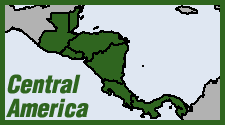 Central America's rainforests are being destroyed by drug traffickers who cut roads and airstirps on officially protected lands, according to a paper in the journal
  Possession of personal quantities of cannabis will no longer be a crime in Maryland under a law passed April 7 and sent to Gov.
 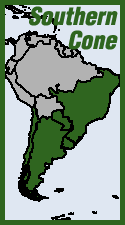 Brazilian Military Police backed by Marine troops occupied the massive Maré favela next to Rio de Janeiro's Galeao international airport on March 31, allegedly without firing a shot. The aim was to secure one of the city's most violent districts, long under control of drug gangs, ahead of the World Cup, to be held in Brazil in June. Shock troops of the elite Special Police Operations Battalion (BOPE) and Marines in armored vehicles and helicopters secured the Maré area, where 130,000 people live in poverty on the north side of Rio. Police said they seized guns and 450 kilos of marijuana, and arrested two suspected dealers. But residents said most gang leaders slipped out the favela ahead of the occupation. The operation had been expected; in preceding days Police Pacification Units (UPPs) were installed in 174 of Rio's favelas— home to around 600,000 people. (
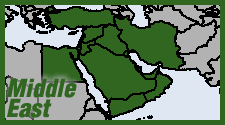 Amnesty International's latest global report on the death penalty, "
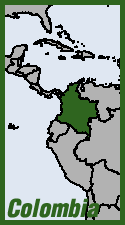 An official from the capital district government of Bogotá on March 28 called upon Colombia’s national government to open debate on broadening the policy of cannabis decriminalization. "We really need leadership from the Congress and the government to regulate the medicinal and recreational use of marijuana," said the general secretary of the Bogotá mayor's office, Susana Muhamad. Despite efforts by the previous government of President
 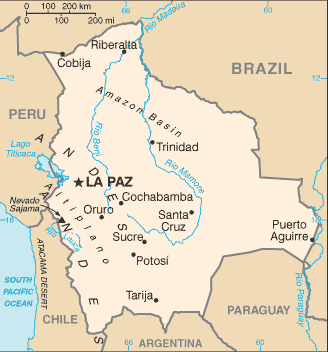 Coca-growers in Bolivia's lowland jungle town of Yapacaní on March 27 clashed with police in a protest against the construction of a new base of the Mobile Rural Patrol Unit (
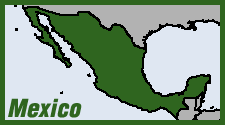 Just weeks after the Mexican government signed an accord with the "community police" vigilante network in Michoacán, ostensibly bringing the anti-narco militias under control of the armed forces, it is looking more and more like they have been transformed into a lawless paramilitary force—even acting against Mexico''s federal authorities. On March 19, "community police" forces at La Placita, on Michoacán's Pacific coast, launched a blockade of the entrance of a Mexican naval outpost, apparently in protest of the disarming of 14 of their gunmen by Mexican marines stationed there. The blockade continues as we got to press, with hundreds of armed vigilantes from neighboring towns converging at the base. (



Recent comments
15 weeks 15 hours ago
15 weeks 3 days ago
23 weeks 4 days ago
24 weeks 5 days ago
25 weeks 3 days ago
30 weeks 5 days ago
37 weeks 1 day ago
37 weeks 1 day ago
40 weeks 2 days ago
41 weeks 1 day ago