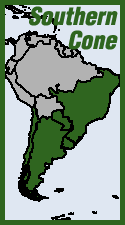
 President José Mujica signed Uruguay's cannabis legalization bill into law on Christmas Eve, and the country's neighbors are preparing for the new policy to take effect—apparently with more trepidation than hope. Mujica is said to have discussed the question with Brazil's center-left President Dilma Rousseff on his visit last month to Brasília. Local media reported that she expressed fears about Uruguayan herb entering Brazil, and announced plans to beef up searches at the border—with plans to impose stiff sentences of 10 years and up for trafficking (including "transnational" personal possession).
 Some hundred New Yorkers gathered in the bitter cold Dec. 27 in front of the Adam Clayton Powell Jr. State Office Building in Harlem to protest mayor-elect
  Guatemala has emerged as a
 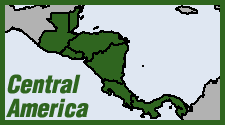 Costa Rica's authorities announced 17 raids by the elite Drug Control Police across the Caribbean provinces of Limón and Cahuita as well as locations in the capital San José Dec. 17, that they boast resulted in the dismantling of the most important narco-trafficking operation in the country to date—with ties to Colombia and Jamaica as suppliers of cocaine and cannabis, and Europe as an export destination. Prosecutor General Jorge Chavarria said that among the 12 arrested were two officers of Public Force, the country's national police, and an officer at the Bank of Costa Rica who facilitated laundering of proceeds. The ring was reportedly led by one Rivas Bonilla AKA "Tito" or "Patrón"—who kept ahead of the law for at least three years through tip-offs from his pal on the police force. Chavarría said that the ring was the largest yet run by Costa Ricans, instead of Colombian or Mexican networks operating within the country. "History has changed," Chavarría said. "We now have Costa Rican groups who want to be entrepreneurs in drugs: owners of the drugs, the organization and the routes."
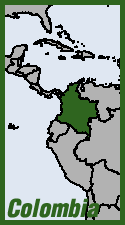 News accounts revealed this week that the US-funded glyphosate spraying in Colombia has been indefinitely suspended after presumed FARC guerillas shot down two fumigation planes—killing one US pilot. One plane came down Sept. 27, killing the pilot, whose name was not revealed. Reports were unclear where this incident took place. The
  The UN Office on Drugs and Crime (
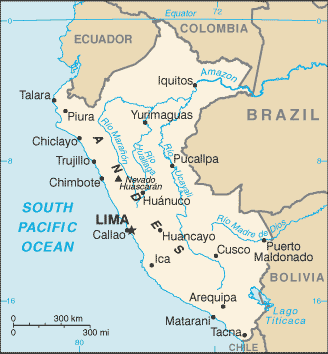 Peru's President Ollanta Humala on Dec. 9 announced the capture of the new commander of the remnant Sendero Luminoso column in the Upper Huallaga Valley—one of two remaining pockets of coca-producing jungle where the scattered Maoist guerilla movement is still keeping alive a local insurgency. The commander was named as Alexander Fabián Huamán AKA "Héctor"—said to have assumed leadership of the guerillas' "Huallaga Regional Committee" after the capture last year of "


Recent comments
15 weeks 14 hours ago
15 weeks 3 days ago
23 weeks 4 days ago
24 weeks 5 days ago
25 weeks 3 days ago
30 weeks 5 days ago
37 weeks 1 day ago
37 weeks 1 day ago
40 weeks 2 days ago
41 weeks 1 day ago