
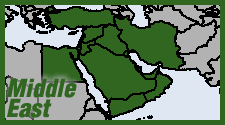
 A May 20 Reuters report picked up by Israel's dialy Ha'artez portrays Lebanon's government as having basically thown in the towel on cannabis eradiction in the Bekaa Valley, apparently afraid of the war spilling across the border from neighboring Syria. Towns in the Bekaa were hit by rocket fire last year, and the valley continues to be shaken by periodic sectarian attacks related to the fighting across the border in Syria. During Lebanon's own 1975-1990 civil war, the fertile Bekaa Valley produced up to 1,000 tons of hashish annually, before production was nearly stamped out under an aggressive eradication program. "From the 1990s until 2012, cannabis eradication took place on an annual basis," Col. Ghassan Shamseddine, head of Lebanon's drug enforcement unit, told Reuters. "But in 2012...it was halted because of the situation on the Lebanese borders and the instability in Syria."
 Missouri has some of the harshest marijuana laws in the country, but became the latest state to remove criminal penalties for simple possession arrests on May 13, when a bill passed earlier this year by the legislature became law without Governor
 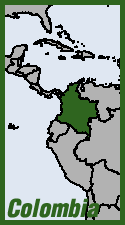 Colombia’s government and the FARC guerilla organization announced an agreement May 16, entitled "Solution to the Problem of Illicit Drugs," in which they pledge to work together agianst the narco trade. The FARC, whose top leaders face extradition to the United States on trafficking charges, agreed to "end any relationship" with the illicit drug trade, and cooperate in a "National Program for the substitution of the illicit uses of coca, poppy, and marijuana crops." The accord calls for "integral development plans" for rural communities impacted by the drug trade, to be drawn up with the participation of those communities, in the context of an "Integral Rural Reform." It also calls for an international conference to be held under the auspices of the UN to reconsider global strategies against drugs—the one veiled reference in the agreement to the FARC's
 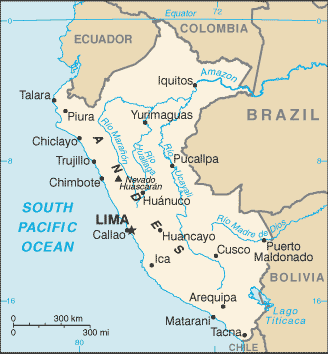 Members of the group
 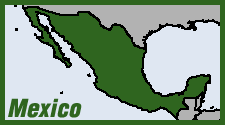 Mexico's government has pledged to deploy more security forces to Tamaulipas—right on the Texas border, and one of the country's most violent states. Mexican Governance Minister Miguel Angel Osorio promised a "new phase" of action against the state's warring drug cartels. The move was prompted by the May 5 assassination of
  OK, here comes the latest media blitz in the backlash against the recent gains for cannabis legalization... The





Recent comments
11 weeks 5 days ago
12 weeks 1 day ago
20 weeks 2 days ago
21 weeks 3 days ago
22 weeks 1 day ago
27 weeks 3 days ago
33 weeks 5 days ago
33 weeks 6 days ago
36 weeks 6 days ago
37 weeks 6 days ago