
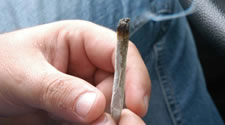
 Police cannot engage in the warrantless search of a motor vehicle based solely upon the smell of marijuana, even in instances where the occupants are under 21 years of age, according to a decision by the Michigan Supreme Court.


This work is licensed under a Creative Commons Attribution-Noncommercial-No Derivative Works 3.0 Unported License.

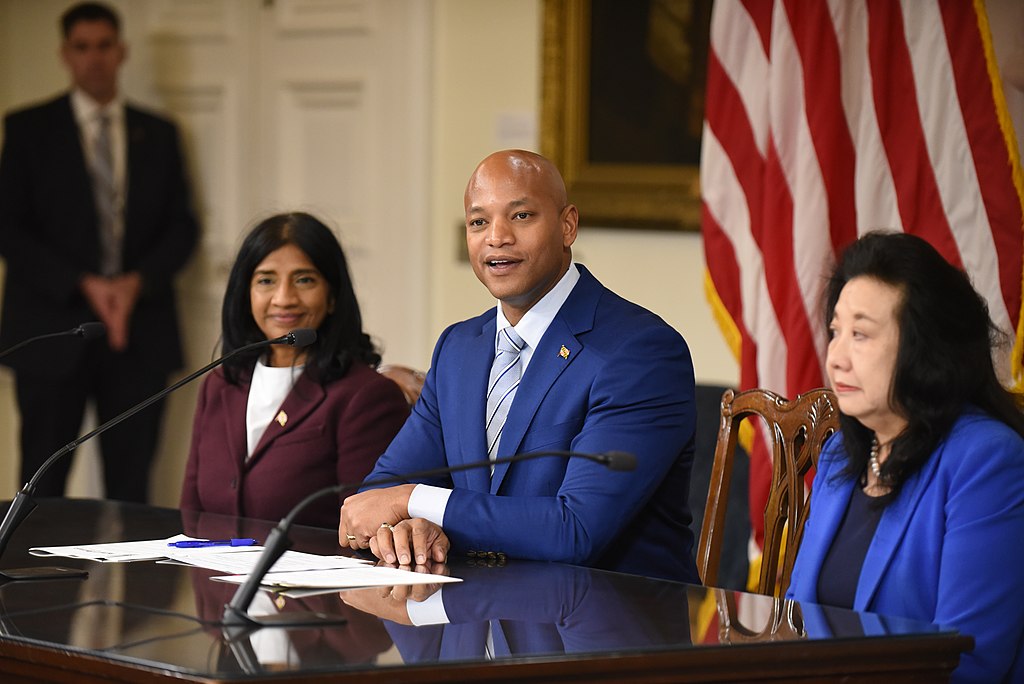 Gov. Wes Moore of Maryland
  The Nov. 8 midterm elections saw mixed results for state cannabis legalization efforts. In Maryland, voters approved
  Driven by the notorious market glut in Oregon, wholesale cannabis prices have predictably plunged in the Beaver State. They have done so less precipitously in other western states. But this is offset by continued high prices elsewhere in the country, especially the East Coast—making for an overall upward trend this year.
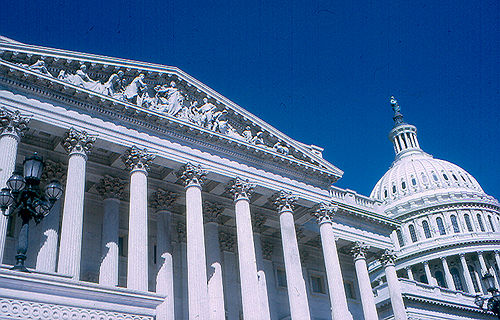 In a Capitol Hill hearing that advocates hailed as “historic,” numerous Congress members openly embraced lifting the federal strictures on cannabis—and even outright legalization. The discussion was particularly framed in terms of recognizing and correcting the racial and social iniquities of cannabis prohibition and the "war on drugs."



Recent comments
10 weeks 3 days ago
10 weeks 6 days ago
19 weeks 22 hours ago
20 weeks 2 days ago
21 weeks 3 hours ago
26 weeks 2 days ago
32 weeks 4 days ago
32 weeks 5 days ago
35 weeks 5 days ago
36 weeks 5 days ago