Posted on May 28th, 2013 by Bill Weinberg and tagged
Africa,
book reviews,
cannabis,
cocaine,
Ethiopia,
Guinea-Bissau,
Hong Kong,
Kenya,
khat,
Lesotho,
methamphetamine,
Nigeria,
sacrament,
Senegal,
Single Convention,
Somalia,
South Africa,
West Africa,
Yemen.
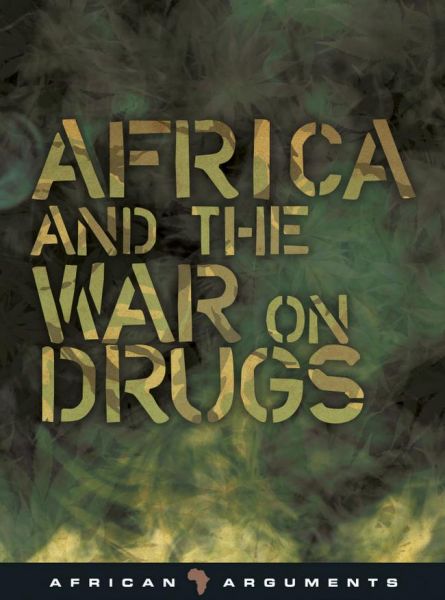 For those who have been wondering what the truth is behind the media sensationalism about global cartels establishing Africa as their new theater of operations, Africa and the War on Drugs by Neil Carrier and Gernot Klantschnig (Zed Books, London, 2012) clears the air in a welcome way.
The authors, a pair of British academics, portray a strategy by the UN Office on Drugs and Crime (UNODC) to hype the threat and replicate the hardline policies pursued in Latin America and elsewhere on the African continent. Drug trafficking has definitely been growing in Africa in recent years—ironically, the authors argue, as a result of "successes" in Latin America. As the old cartels and their smuggling routes were broken up, new more fragmented networks have sought new routes and markets. This conveniently coincided with South Africa's reintegration to the world economy after the end of apartheid, and more generally with Africa's globalization.

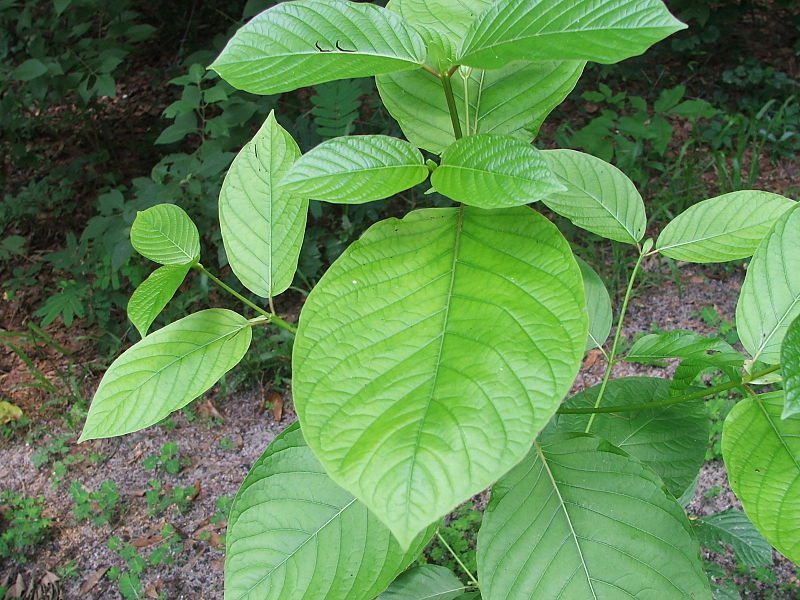 Last month, when the DEA dashed activist hopes for a rescheduling of cannabis, it also issued another lesser-noted decision—to put the psychoactive herb kratom in the same Schedule I classification as pot, that for the most dangerous drugs with no medical use. Advocates have launched a White House petition against the kratom ban, and have already won the required 100,000 signatures to trigger an administration reponse. The DEA decision takes effect on Sept. 30, while the White House has 60 days to respond to the petition, under its own policy.
 After
After 
 Following the
 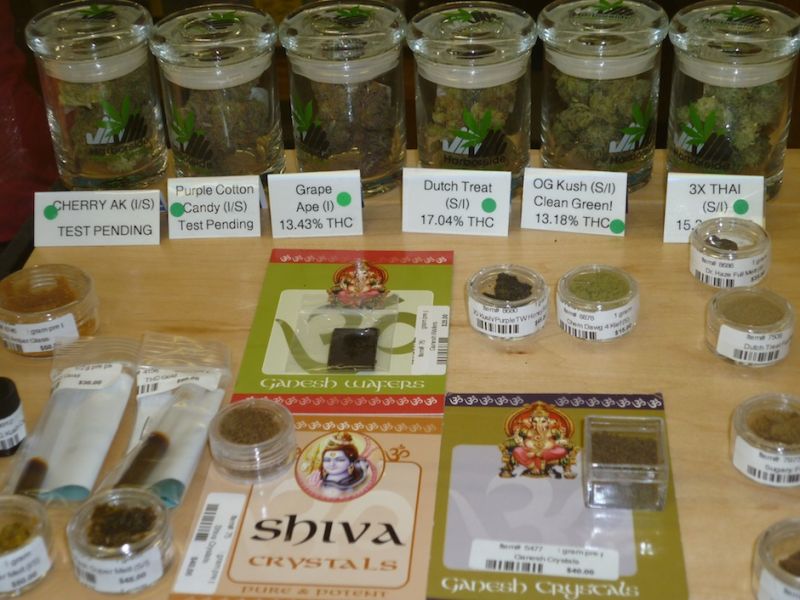 Over the past generation, an informal alliance of activists, cultivators, entrepreneurs and medical professionals has struggled to redefine how the United States views the cannabis plant. Victories at state and municipal levels have created a new field of medicinal treatment for a wide variety of ailments in California and other mostly western states. Medical marijuana marks the starkest point in the divide between an industrial model of healthcare and a millennia-long tradition of herbal self-treatment—because nowhere else has the federal government been so intransigent.
 Total area planted with coca in Bolivia dropped by up to 13% last year, according to separate reports by the



Recent comments
13 weeks 3 days ago
13 weeks 6 days ago
22 weeks 22 hours ago
23 weeks 2 days ago
24 weeks 4 hours ago
29 weeks 2 days ago
35 weeks 4 days ago
35 weeks 5 days ago
38 weeks 5 days ago
39 weeks 5 days ago