
 An international network of non-governmental organizations has submitted a "shadow report" to the United Nations, calling the war on drugs a "spectacular failure"—and calling on the world's governments to reconsider it. The report takes heart from the growing official tolerance of cannabis in several countries around the world, but warns of escalating and horrific repression in the name of drug enforcement in several others. Will the UN take heed when it revisits the question of drug policy in 2019?
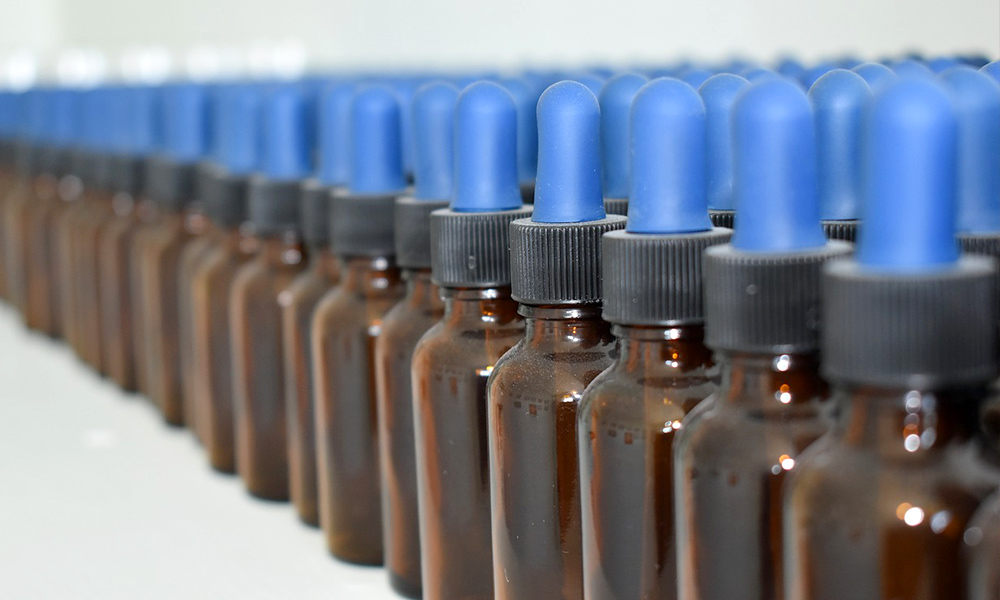 Physicians in the United Kingdom will be able to legally prescribe medical marijuana products to their patients starting next month. The policy shift follows a public outcry over cases of young epileptic patients who were denied the only treatments that worked for them.
  After years of upholding employee firings for use of cannabis even under state medical marijuana programs, the courts are finally starting to turn around on the question.
 Last month, the DEA enthused the pharmaceutical industry but disappointed cannabis advocates by re-scheduling the drug Epidiolex—but not CBD, the cannabinoid that makes it work. Now word emerges of a letter to the DEA by the Food & Drug Administration essentially calling for the descheduling of CBD altogether.
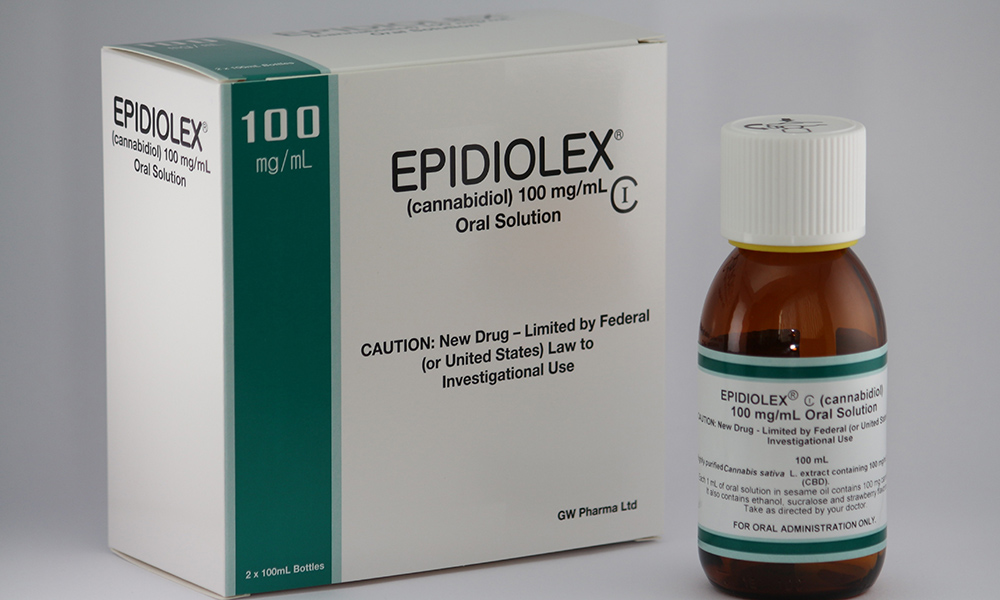 With the DEA's rescheduling of Epidiolex, shares in the British manufacturer of the drug are soaring. But CBD—the actual cannabinoid that the product is based on—is to remain in the restrictive Scheudle 1.
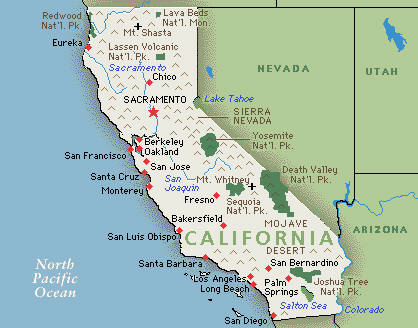 Among several cannabis-related bills that cleared California's state house before the last legislative session came to close is one that would lift the tax burden on medical marijuana providers. The bill is intended to again open space for "compassionate care," which was ironically squeezed out under California's adult-use regulation regime.
 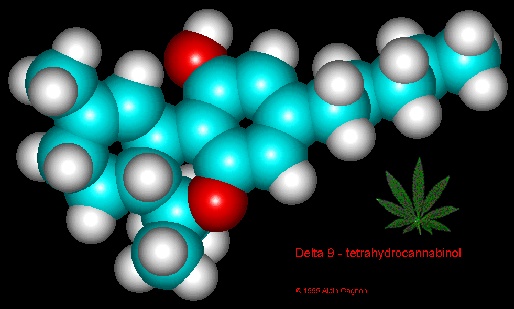 Having just undertaken a "critical study" of CBD, the non-psychoactive cannabinoid held to have multifarious medicinal applications, the World Health Organization is now opening such a study on THC. Stigmatized due to its psychoactive properties and currently in the shadow of the suddenly sexy CBD, tetrahydrocannabinol shows its own potential for application by the medical industry.



Recent comments
1 day 23 hours ago
16 weeks 3 days ago
16 weeks 6 days ago
25 weeks 22 hours ago
26 weeks 2 days ago
27 weeks 4 hours ago
32 weeks 2 days ago
38 weeks 4 days ago
38 weeks 5 days ago
41 weeks 5 days ago