
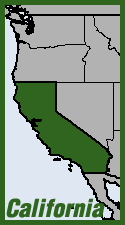
 Five medical cannabis activists were arrested April 12 in the San Diego City Council chambers protesting the final vote on a local distribution ordinance, which advocates say imposes a citywide de facto ban on collectives. During the hearing, members of the Stop the Ban Campaign—a coalition of over 20 local, state, and national groups spearheaded by Canvass for a Cause and the San Diego chapter of Americans for Safe Access (ASA)—repeatedly chanted "We demand safe access!" The action forced the council to clear the chambers, postponing a critical vote on the ordinance.
 Earlier this month, the
  The IRS is believed to have opened audits on at least 12 medical cannabis dispensaries in California under the determination that past deductions are invalid because of a clause in the federal tax code prohibiting any enterprise that traffics in Schedule I or II drugs from making business deductions. The move could bankrupt every dispensary that it targets. The first dispensary to receive a final audit decision from the IRS is the Marin Alliance for Medical Marijuana (
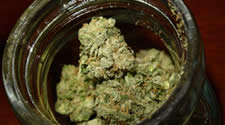 More than a dozen local and federal law enforcement agencies conducted aggressive criminal raids March 14 on 26 medical marijuana dispensaries and grow sites in 13 Montana cities, according to a press release issued by US Attorney Michael W. Cotter. Federal agencies involved in the raid included the Drug Enforcement Administration, Immigration and Customs Enforcement, Internal Revenue Service, the Bureau of Alcohol, Tobacco, Firearms and Explosives, and the Federal Bureau of Investigation. No arrests were made, but the US Attorney has alleged probable cause for several federal criminal violations.
 A vote to be held in Los Angeles Tuesday March 8 threatens to increase the cost of an already expensive treatment for medical marijuana patients in the city. Measure M, one of 10 ballot measures facing LA voters, would increase taxes on medical cannabis by 5%, above the nearly 10% patients already pay in sales tax. Patient advocates have come out in opposition to the measure, asking the city to find other sources of revenue and to remove the tax burden from medicinal users.
 Representatives in the Minnesota legislature have proposed a bill to allow farmers to grow medical cannabis for resale to dispensaries in states that have legalized use and sale of marijuana for medical conditions. The House bill,
  The Supreme Court heard arguments Feb. 28 in DePierre v. United States, on whether the term "cocaine base" in the Federal Sentencing Guidelines is limited to "crack" or includes all forms of cocaine chemically classified as a base. The US First Circuit Court of Appeals in Boston ruled that "cocaine base" refers to "all forms of cocaine base, including, but not limited to crack cocaine." Counsel for the petitioner argue that Congress did not intend "cocaine base" to refer to substances used in the crack-production process.



Recent comments
12 weeks 3 days ago
12 weeks 6 days ago
21 weeks 2 hours ago
22 weeks 1 day ago
22 weeks 6 days ago
28 weeks 1 day ago
34 weeks 4 days ago
34 weeks 4 days ago
37 weeks 5 days ago
38 weeks 4 days ago