Posted on May 28th, 2013 by Bill Weinberg and tagged
Africa,
book reviews,
cannabis,
cocaine,
Ethiopia,
Guinea-Bissau,
Hong Kong,
Kenya,
khat,
Lesotho,
methamphetamine,
Nigeria,
sacrament,
Senegal,
Single Convention,
Somalia,
South Africa,
West Africa,
Yemen.
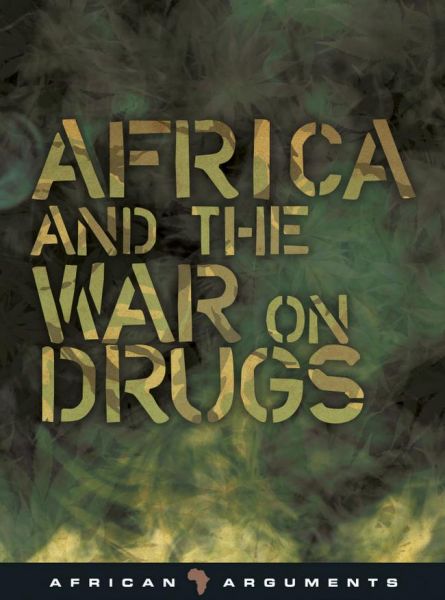 For those who have been wondering what the truth is behind the media sensationalism about global cartels establishing Africa as their new theater of operations, Africa and the War on Drugs by Neil Carrier and Gernot Klantschnig (Zed Books, London, 2012) clears the air in a welcome way.
The authors, a pair of British academics, portray a strategy by the UN Office on Drugs and Crime (UNODC) to hype the threat and replicate the hardline policies pursued in Latin America and elsewhere on the African continent. Drug trafficking has definitely been growing in Africa in recent years—ironically, the authors argue, as a result of "successes" in Latin America. As the old cartels and their smuggling routes were broken up, new more fragmented networks have sought new routes and markets. This conveniently coincided with South Africa's reintegration to the world economy after the end of apartheid, and more generally with Africa's globalization.

 Opposition legislators in Suriname are calling on President Desi Bouterse to resign following the arrest of his son by DEA agents in Panama Aug. 29. Dino Bouterse was was apparently travelling on a diplomatic passport when he was busted on charges of operating a cocaine trafficking ring. The US federal indictment, filed in Manhattan, also charges him with violating firearms laws by wielding an anti-tank weapon during a drug offense.
 Helen Clark, head of the
 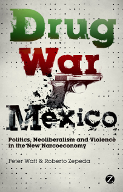 As nightmarish violence continues in Mexico, with horrific massacres and chaotic urban warfare right on the USA's southern border, a couple of academics at England’s University of Sheffield provide a readable 250-page primer on why this is happening now, and take a stab at what can be done to address the crisis—other than escalating it with militarization.
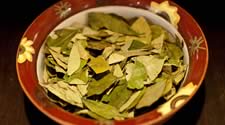 Total area planted with coca in Bolivia dropped by up to 13% last year, according to separate reports by the
  The most enlightened cannabis connoisseurs—those who still have a link back to the values that defined the hippie culture—tend to be conscious consumers when it comes to food or computers or whatnot. They may buy organic tomatoes, boycott Taco Bell to support exploited farm workers in Florida, and petition Apple about the brutal conditions in their Chinese assembly plants. But do they pay as much attention to the source of their preferred smoking herb?
 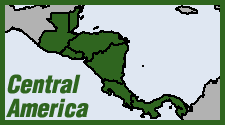 Honduran authorities seized 15 tons of illegal drugs buried beneath a clandestine laboratory in the northern department of Yoro, officials said Nov. 29. "According to what the experts say, the drugs found would amount to some 15 tons of cocaine paste or synthetic drugs," Elvin Guzmán, spokesman for the prosecutor's office in the northern city of San Pedro Sula, told reporters. (This is an ambiguous statement, as the proportion of paste to finished cocaine is approximately 2 to 1, according to a



Recent comments
12 weeks 3 days ago
12 weeks 6 days ago
21 weeks 20 hours ago
22 weeks 1 day ago
23 weeks 2 hours ago
28 weeks 2 days ago
34 weeks 4 days ago
34 weeks 5 days ago
37 weeks 5 days ago
38 weeks 5 days ago