
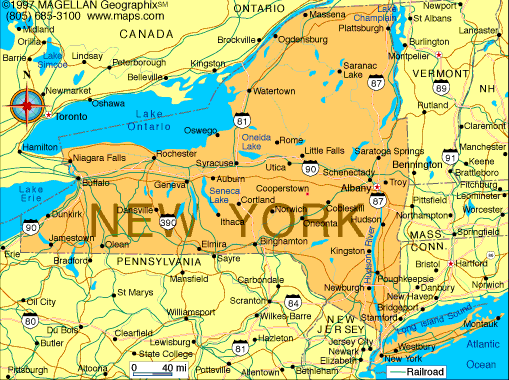
 Back in March, Connecticut's Supreme Court, the state's highest, ruled that those convicted of past cannabis possession misdemeanors can have the charges erased from their records because the state decriminalized the herb in 2011. The unanimous ruling came in the case of Nicholas Menditto, who will now have his 2009 possession conviction expunged from his record. (The Joint Blog, March 17; AP, March 16) Last week, reporter Jon Campbell wrote in New York's Village Voice that activists in the Empire State are hoping for a similar outcome. New York was one of the first states to decriminalize, way back in '77, and the cut-off point for an infraction rather than a misdemeanor is a full ounce (as opposed to a half-ounce under the Connecticut law). But New York pot arrests have ironically continued at the highest rate in the country—especially in the Big Apple, under the aggressive policing since the '90s. The loophole that cops used? Cannabis in public view remains illegal—and suspects are basically forced into pulling out their stashes when stopped by cops and ordered to empty their pockets.
 On June 27, Massachusetts' Department of Public Health
 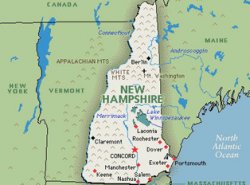 Last week, both houses of the New Hampshire legislature voted overwhelmingly to approve a bill permitting doctors to prescribe medical marijuana to many patients with chronic or terminal illnesses. Gov. Maggie Hassan (D-NH) said she would sign the bill. The New Hampshire bill is somewhat less permissive than medical marijuana laws in many other states, with compromise language that denies patients the right to grow cannabis at home, or to use it for post-traumatic stress disorder. The bill also includes restrictions aimed at ensuring that patients do not engage in "doctor shopping" in order to obtain a cannabis prescription. Doctors may only prescribe to those who have been their patients for at least 90 days, and who have already tried other treatments. (
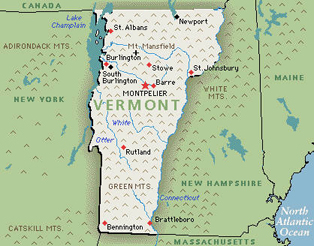 Vermont's Gov. Peter Shumlin (D) on June 6 signed into law a bill passed by the state legislature that decriminalizes the possession of up to one ounce of cannabis or five grams of hashish. Shumlin's signature make Vermont the 17th state to remove criminal penalties for possessing small quantities of cannabis—including all of its neighboring New England states except New Hampshire. "This change just makes common sense," Shumlin said as he signed the bill. "Our limited resources should be focused on reducing abuse and addiction of opiates like heroin and meth rather than cracking down on people for having very small amounts of marijuana." (
 In response to public comments made against marijuana reform by former Rhode Island Rep.
  Well, the dust has hardly settled but the boots are at the door; they might come storming through, riling up that dust some more.
 Speaking before a crowd on the Boston Common at the 23rd



Recent comments
12 weeks 1 day ago
12 weeks 4 days ago
20 weeks 5 days ago
21 weeks 6 days ago
22 weeks 4 days ago
27 weeks 6 days ago
34 weeks 2 days ago
34 weeks 2 days ago
37 weeks 3 days ago
38 weeks 2 days ago