
 Medical marijuana users who demand their right to smoke herbaceous cannabis were dealt a double whammy as Oklahoma health authorities and a Florida court each issued edicts upholding strictures on smokable forms. But is it really medical marijuana if it doesn't include the right to smoke the herbaceous form of the plant?
 With Oklahoma’s passage of a medical marijuana law, advocacy organizations say there is now only one state in the entire union without some sort of legal provision for medicinal use of either herbal cannabis or cannabinoid extracts: Idaho. And with a governor's race this year, there may be hope even there. One by one, even the most culturally conservative states are succumbing to the demands of patients and the findings of science to pass laws to allow use of (at least) extracts containing cannabinoids, or (at most) actual herbaceous marijuana, for either medical or "recreational" purposes.
 The first of July opened a new chapter for legal cannabis in two New England states—at least in theory. Vermont's adult use law officially took effect, while Massachusetts was slated to see the first legal adult-use sales. But the Vermont law doesn't allow for commercial sales, and legal sales in Massachusetts remain delayed.
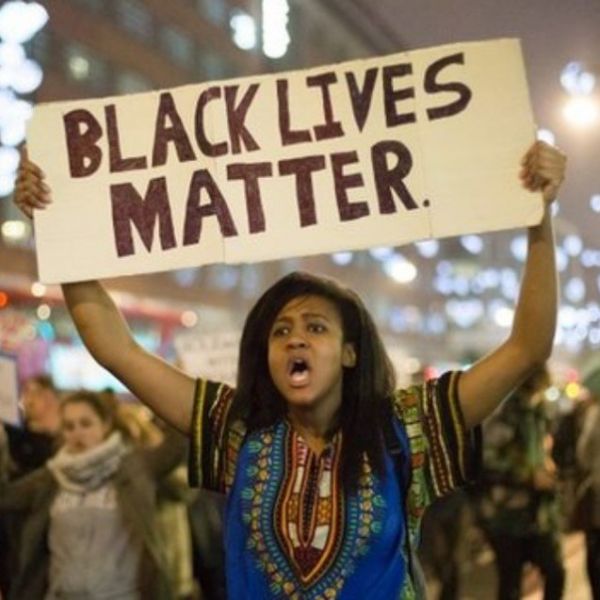 A figure from the Bay Area cannabis industry was embroiled in America's fast-escalating culture wars when she threatened to call the police on a young Black girl selling water on a San Francisco street. In the outcry, she has stepped down from her own company—and helped draw a line over what behavior is considered acceptable in the cannabis community.
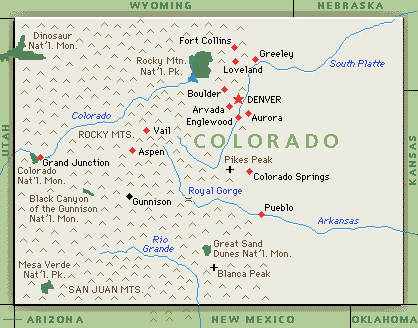 As Colorado voters go to the polls today to choose gubernatorial candidates, the Democratic favorite is Jared Polis—now a progressive member of Congress and perhaps the foremost cannabis advocate on Capitol Hill. Support from the state's now-formidable cannabis voting bloc could put him on the path to becoming the most herbal-friendly governor in the United States.
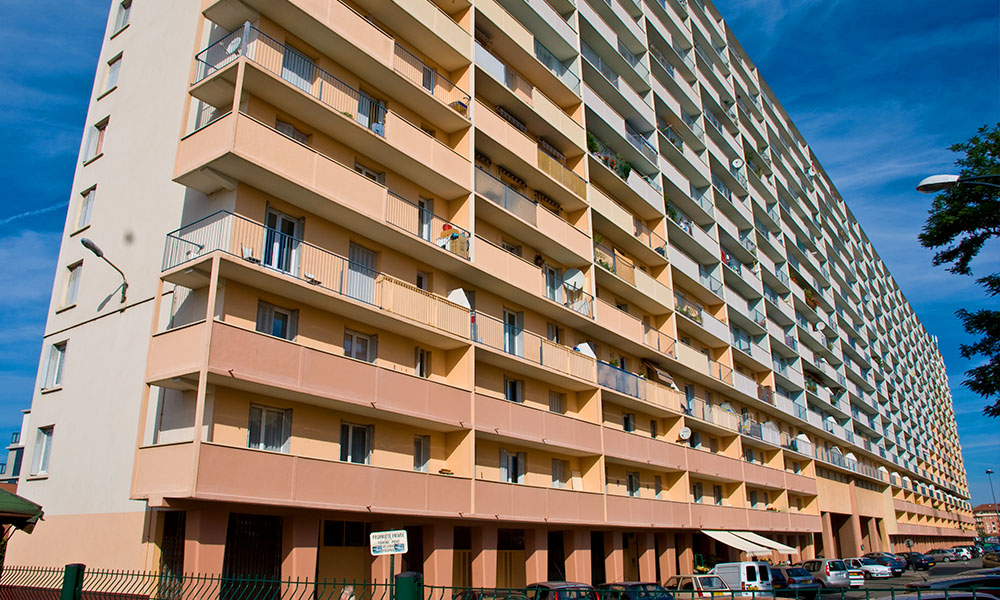 Under federal regulations, Section 8 housing residents risk losing their homes if they use cannabis. But residents who are also medical marijuana patients have started to stand up and demand their rights. Now, their efforts have seen fruit in legislation on Capitol Hill.
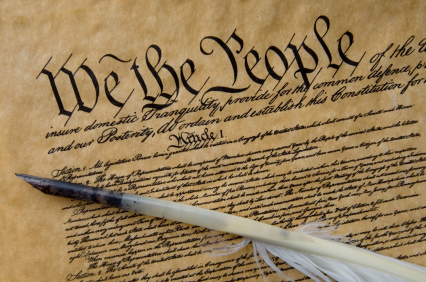 The doctrine of nullification has a long and harshly contested legacy in the history of the United States—it has been invoked in defense of both just causes and frankly evil ones. But some argue that it is time to revisit the idea—to put an end to federal cannabis prohibition.
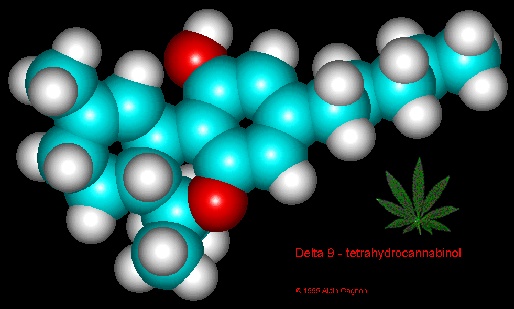 For a generation now, science has known of two cannabinoid receptors—specialized protein molecules that interact with the active compounds in the cannabis plant for the human body. These are CB1 and CB2, both discovered in the early '90s. Now there is growing awareness of a third such receptor that was identified in 2007. This receptor, GPR55, may be key to understanding a wide spectrum of therapeutic applications for cannabinoids—and especially the non-psychoactive cannabidiol, or CBD.



Recent comments
6 hours 15 min ago
16 weeks 2 days ago
16 weeks 5 days ago
24 weeks 6 days ago
26 weeks 7 hours ago
26 weeks 5 days ago
32 weeks 14 hours ago
38 weeks 3 days ago
38 weeks 3 days ago
41 weeks 4 days ago